
MOTS-c vs. AOD9604: The Ultimate Guide to Metabolic Peptides for Researchers & Biohackers

Disclaimer: The content provided in this article is for informational and educational purposes only. The peptides discussed, including MOTS-c and AOD9604, are strictly designated for laboratory research use only. They are not approved by the FDA for human consumption, diagnosis, or treatment of any disease. Always consult with a licensed medical professional or primary care physician before considering any advanced biological protocols.
Table of Contents
- 1. Introduction & Quick Summary
- 2. What is MOTS-c? The Mitochondrial Powerhouse
- 3. What is AOD9604? The Targeted Lipolytic Fragment
- 4. Head-to-Head: Core Differences in MOTS-c vs AOD9604
- 5. Mechanisms of Action: The Cellular Science
- 6. Clinical Data and Research Applications (B2B Focus)
- 7. Biohacking Outcomes: Fat Loss, Energy, and Performance (B2C Focus)
- 8. Administration and Advanced Protocols
- 9. Safety, Side Effects, and Contraindications
- 10. Sourcing, Purity, and Reconstitution
- 11. Frequently Asked Questions (FAQs)
- 12. Key Takeaways & Final Verdict
1. Introduction & Quick Summary
The Rise of Metabolic Peptides
In the rapidly evolving landscape of advanced biochemistry and functional endocrinology, the paradigm of metabolic intervention has fundamentally shifted. Researchers and advanced biohackers are moving away from broad-spectrum stimulants and blunt-force metabolic accelerators, pivoting instead toward highly targeted peptide therapies. We are now in the era of cellular precision. Rather than forcing the body into an artificial caloric deficit through central nervous system stimulation, modern biogerontology focuses on upregulating the body’s endogenous machinery—specifically optimizing mitochondrial function and accelerating lipid mobilization.
At the forefront of this metabolic renaissance are two highly distinct compounds: MOTS-c and AOD9604. While both are heavily researched for their profound effects on body composition and energy regulation, their mechanisms, systemic targets, and biochemical cascades could not be more different. Understanding these granular differences is critical for both the laboratory researcher synthesizing these compounds and the biohacker looking to optimize their longevity and metabolic flexibility protocols.
The Quick Answer
When analyzing mots c vs aod9604, the primary distinction is their mechanism of action. MOTS-c functions as an “exercise mimetic,” optimizing cellular energy, insulin sensitivity, and mitochondrial biogenesis across systemic tissues. Conversely, AOD9604 is a modified human growth hormone fragment specifically engineered to stimulate lipolysis and inhibit lipogenesis, directly targeting adipose tissue without altering insulin or IGF-1 levels.
2. What is MOTS-c? The Mitochondrial Powerhouse
Origin and Molecular Structure
MOTS-c (Mitochondrial Open Reading Frame of the 12S rRNA-c) is a fascinating anomaly in modern peptide research. Unlike the vast majority of endogenous peptides that are encoded within the nucleus of our cells, MOTS-c is an endogenous, 16-amino-acid peptide encoded entirely within the mitochondrial genome. Specifically, it is transcribed from the 12S ribosomal RNA (rRNA) gene.
This unique mitochondrial origin is a relatively recent discovery that has redefined our understanding of cellular signaling. Mitochondria are not merely passive powerplants producing ATP; they are active, communicative organelles. MOTS-c serves as a retrograde signaling hormone, meaning it travels from the mitochondria to the cellular nucleus to actively regulate gene expression, particularly those genes involved in metabolic homeostasis and stress response.
The “Exercise Mimetic” Concept
In the biohacking community and clinical literature, MOTS-c is frequently referred to as an “exercise mimetic.” This is because the exogenous administration of MOTS-c triggers the exact biochemical pathways that are normally upregulated during intense, sustained aerobic exercise.
When you engage in cardiovascular training, your cells experience a transient energy crisis—ATP is depleted, and the cellular environment becomes metabolically stressed. MOTS-c tricks the cell into believing this energy deficit is occurring. In response, the body aggressively shifts its metabolism to prioritize the burning of fatty acids for fuel while simultaneously driving glucose into muscle tissue independent of insulin. It is not a replacement for moving your body, but it profoundly amplifies the cellular benefits of physical exertion.
Primary Targets in the Body
While MOTS-c circulates systemically, its primary targets are skeletal muscle and the liver. In skeletal muscle, it drastically enhances glucose uptake and lipid oxidation, making the muscle tissue vastly more efficient at generating energy. In the liver, it acts to suppress de novo lipogenesis (the creation of new fat) while improving overall insulin sensitivity. Because its target is the cellular power grid itself, the systemic effects are vast, ranging from improved cardiovascular capacity to protection against diet-induced obesity.
3. What is AOD9604? The Targeted Lipolytic Fragment
The HGH Connection (Fragment 177-191)
To understand AOD9604, one must look at the architecture of full-length Human Growth Hormone (HGH). HGH is a massive 191-amino-acid chain responsible for a wide array of physiological functions, including cellular regeneration, linear growth, and fat metabolism. Researchers isolated the specific tail-end sequence of this molecule—amino acids 177 through 191, known clinically as HGH Fragment—because this particular region governs HGH’s fat-burning properties.
AOD9604 (Advanced Obesity Drug) is a synthetically modified version of this fragment. By adding a single tyrosine amino acid to the N-terminus of the 177-191 sequence, researchers successfully stabilized the molecule, preventing rapid proteolytic degradation and increasing its half-life in the bloodstream.
“Anti-Obesity Drug” Development
AOD9604 was originally developed by Metabolic Pharmaceuticals in Australia in the late 1990s and early 2000s. The clinical ambition was highly specific: to create a pharmaceutical intervention for clinical obesity that harnessed the profound fat-burning power of HGH without triggering any of the severe side effects associated with exogenous HGH administration. Throughout several human clinical trials, it demonstrated a potent ability to stimulate lipolysis (the breakdown of fat) and inhibit lipogenesis (the storage of fat) specifically in stubborn visceral adipose tissue.
Why It Doesn’t Act Like Full-Length HGH
The most critical takeaway for both researchers and biohackers is what AOD9604 does not do. Because it is merely a stabilized fragment of the HGH molecule, it lacks the structural domain required to bind to the primary growth hormone receptors that stimulate Insulin-like Growth Factor 1 (IGF-1).
Therefore, AOD9604 will not cause cellular proliferation, it will not induce cartilage or bone overgrowth (acromegaly), and, most importantly for metabolic health, it will not induce insulin resistance—a notorious side effect of chronic, full-length HGH use. It is a surgical strike on fat cells, leaving the rest of the endocrine system largely undisturbed.
4. Head-to-Head: Core Differences in MOTS-c vs AOD9604
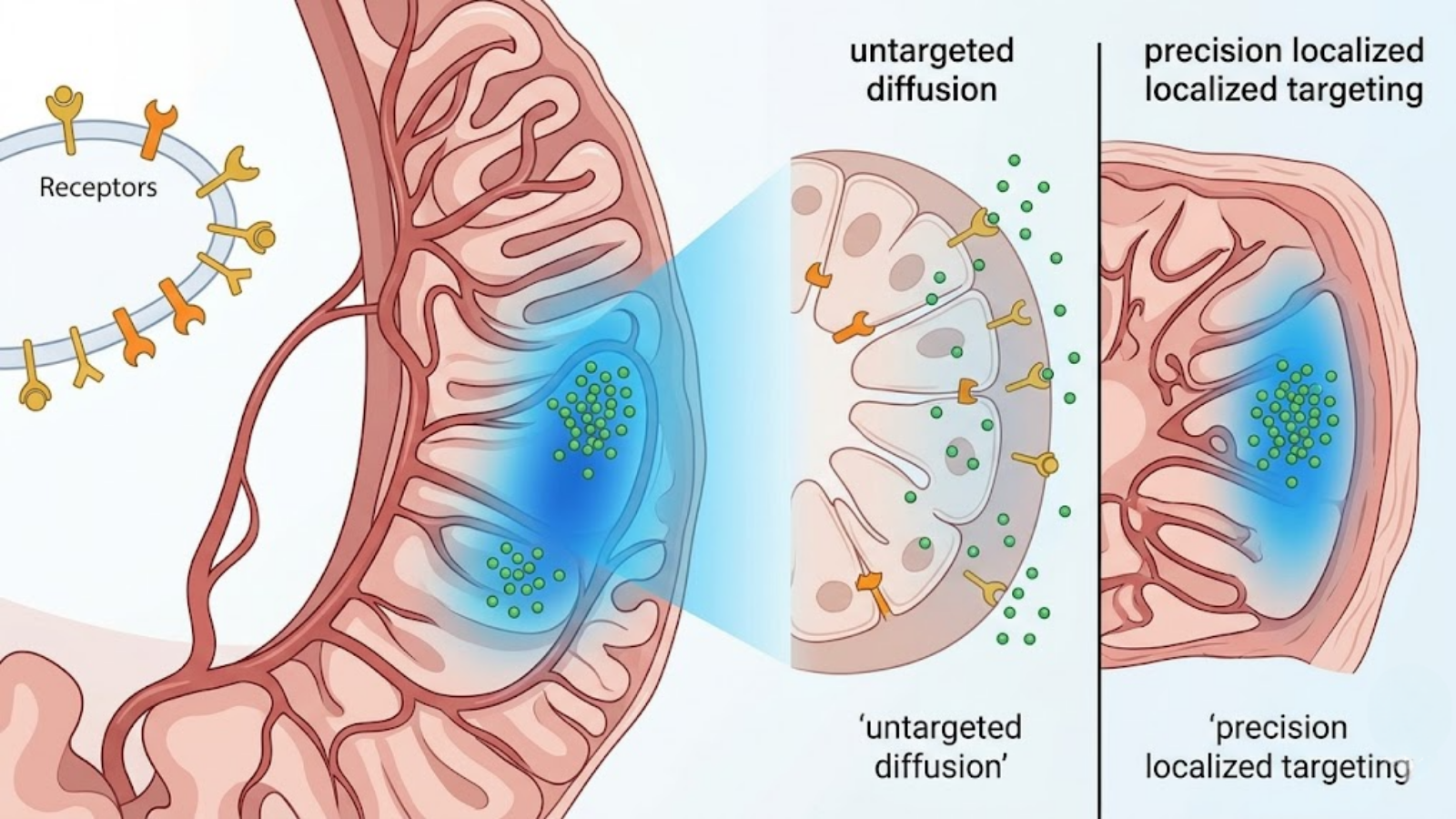
Figure 1: Physiological Targeting Map highlighting MOTS-c’s systemic skeletal muscle targets vs. AOD9604’s localized adipose tissue targeting.
Systemic Metabolism vs. Localized Lipolysis
The core debate of mots c vs aod9604 comes down to systemic optimization versus targeted destruction. MOTS-c is a systemic metabolic regulator; it corrects underlying mitochondrial dysfunction, improves how your body handles carbohydrates, and forces skeletal muscle to become a more efficient engine. Fat loss is a downstream byproduct of this newly optimized, highly active metabolic state.
Conversely, AOD9604 does not fix underlying mitochondrial damage or directly alter how your muscles utilize glucose. It is a targeted lipolytic agent. Its primary and singular function is to signal adipocytes (fat cells) to release their stored triglycerides into the bloodstream to be burned as free fatty acids.
| Feature/Characteristic | MOTS-c | AOD9604 |
|---|---|---|
| Origin Classification | Mitochondrial-Derived Peptide (MDP) | Synthetic HGH Fragment (177-191 + Tyr) |
| Primary Target Tissue | Skeletal Muscle, Liver | Adipose Tissue (Fat Cells) |
| Core Mechanism | AMPK Activation, Folate Cycle Regulation | Beta-3 Adrenergic Receptor Agonism |
| Impact on Insulin | Highly sensitizing (improves glucose uptake) | Neutral (no impact on blood sugar) |
| Biohacking Application | Endurance, metabolic flexibility, longevity | Targeted fat loss, visceral fat reduction |
| Molecular Weight | ~2174.6 g/mol | ~1815.1 g/mol |
Molecular Weight and Permeability (B2B Focus)
For laboratory researchers handling synthesis and lyophilization, both peptides present relatively stable profiles when properly chilled and protected from UV degradation. However, their molecular weights dictate slightly different pharmacokinetics. AOD9604 is smaller (~1815.1 g/mol) and highly lipophilic, making it exceptionally efficient at penetrating adipose tissue barriers. MOTS-c is slightly larger (~2174.6 g/mol) and acts systemically, requiring careful reconstitution protocols to maintain its structural integrity before in vivo administration or in vitro cellular assays.
Timeline of Efficacy
From a practical application standpoint, the timeline of observable physiological shifts varies drastically. MOTS-c acts acutely on cellular energy pathways. Users and clinical models often demonstrate measurable increases in endurance, energy output, and glucose clearance within days to weeks of administration. AOD9604, however, works via a chronic signaling cascade. Because it takes time for the body to oxidize the free fatty acids released from the adipocytes, visible fat reduction in clinical models generally requires weeks to months of sustained exposure.
5. Mechanisms of Action: The Cellular Science
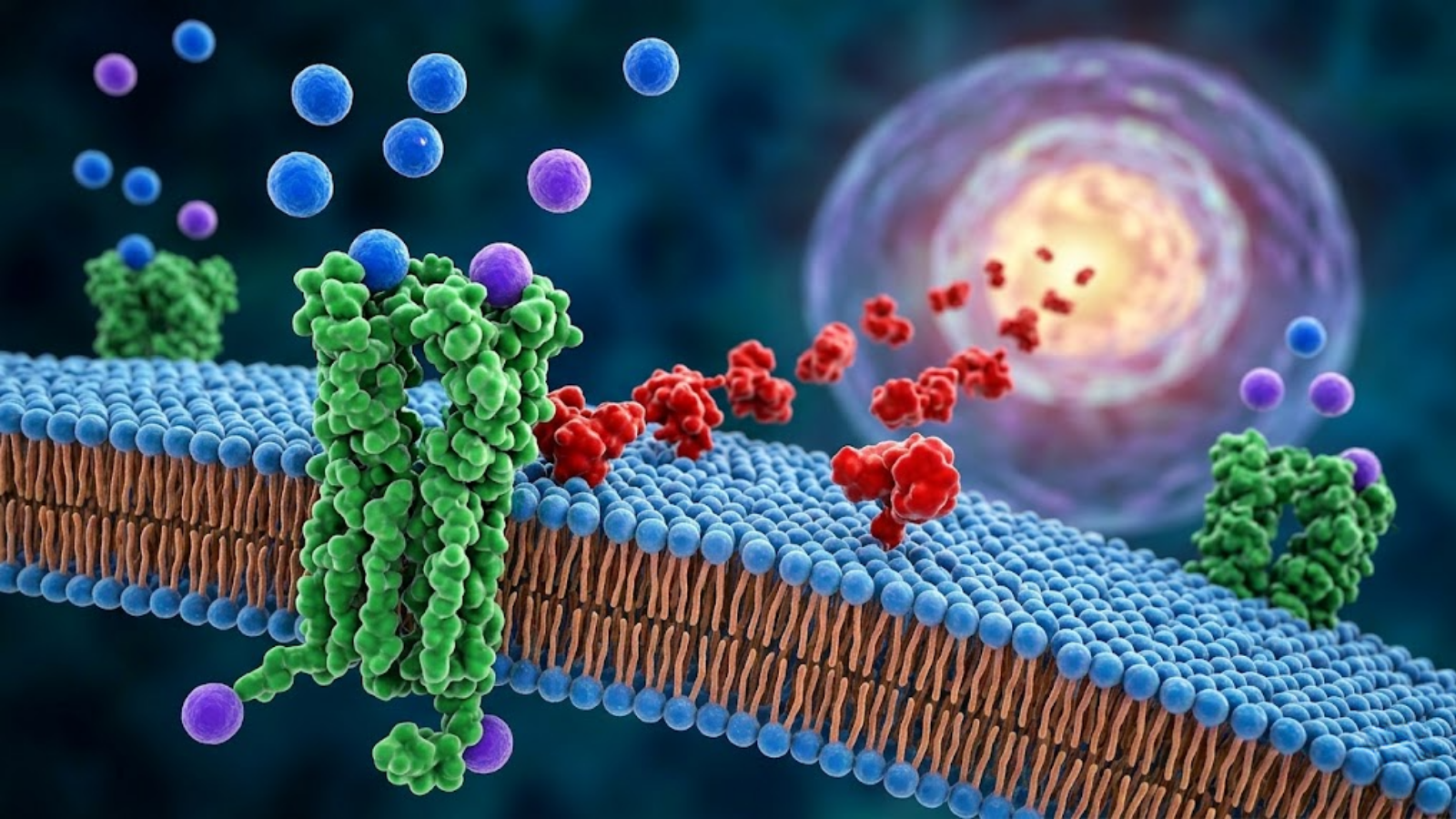
Figure 2: Conceptual molecular diagram showing MOTS-c AMPK activation vs. AOD9604 Beta-3 Adrenergic Receptor binding.
How MOTS-c Activates AMPK
To truly appreciate MOTS-c, one must look at the granular biochemistry. MOTS-c regulates the folate-methionine cycle within the cell. Specifically, it inhibits the folate-dependent de novo purine biosynthesis pathway.
By bottlenecking this pathway, MOTS-c causes a rapid intracellular accumulation of an intermediate molecule known as AICAR (5-Aminoimidazole-4-carboxamide ribonucleotide). If the name AICAR sounds familiar, it is because it is a renowned, highly potent activator of AMPK (AMP-activated protein kinase).
AMPK is the master energy sensor of the mammalian cell. When AMPK is activated by the accumulation of AICAR, the cell essentially sounds an alarm that energy is low. The physiological response is immediate: the cell halts all energy-consuming processes (like fat storage) and exponentially upregulates energy-producing processes. This includes driving the translocation of GLUT4 transporters to the cell surface, pulling glucose out of the blood and into the muscle independent of insulin, while simultaneously increasing beta-oxidation (fat burning) within the mitochondria.
How AOD9604 Triggers Beta-3 Adrenergic Receptors
AOD9604 bypasses the systemic energy grid entirely and goes straight to the fat tissue. It is theorized to exert its lipolytic effects by acting as an agonist for the Beta-3 adrenergic receptors (β3-AR), which are densely clustered on the surface of adipocytes.
When AOD9604 binds to or upregulates these receptors, it triggers an intracellular cascade via the cyclic AMP (cAMP) pathway. The elevation of intracellular cAMP subsequently activates an enzyme called Hormone-Sensitive Lipase (HSL). HSL is the primary enzyme responsible for the hydrolysis of triglycerides stored within the fat droplet. Once activated, HSL cleaves the triglycerides, breaking them down into glycerol and free fatty acids, which are then released into the bloodstream. Furthermore, this same cAMP pathway actively downregulates lipogenic enzymes, effectively shutting the door on new fat storage while the existing fat is being mobilized.
6. Clinical Data and Research Applications (B2B Focus)

Figure 3: Laboratory data representation comparing the timeline of lipolysis and metabolic shifting in research models.
For wholesale suppliers, compounding synthesis labs, and primary investigators, understanding the empirical data surrounding these peptides is critical for designing in vivo animal models and in vitro cellular assays.
In Vitro and In Vivo Studies on MOTS-c
The body of literature surrounding MOTS-c is largely centralized around its ability to rescue metabolic dysfunction in diet-induced obesity (DIO) murine (mouse) models. In flagship studies, researchers subjected mice to a high-fat diet intended to induce severe insulin resistance and obesity. When administered exogenous MOTS-c, the test group demonstrated an extraordinary resistance to obesity, maintaining lean body mass and insulin sensitivity despite the obesogenic diet.
In vitro clamp studies reveal that MOTS-c primarily targets the skeletal muscle, accelerating glucose clearance from the bloodstream at a rate comparable to high-dose pharmacological interventions (like Metformin), but through a distinct, non-competing mitochondrial pathway. Furthermore, emerging gerontology research suggests MOTS-c plays a role in cellular senescence, potentially extending the healthspan of the organism by maintaining mitochondrial membrane potential as the organism ages.
AOD9604 Clinical Trials and Efficacy
Unlike MOTS-c, which is still primarily in the preclinical and advanced animal testing phases, AOD9604 boasts a robust history of human clinical trials. During the HERA trials conducted by Metabolic Pharmaceuticals, AOD9604 was administered to obese human cohorts to measure its impact on lipid metabolism.
The data was compelling: AOD9604 successfully induced lipolysis and significantly reduced body weight without altering IGF-1 (Insulin-like Growth Factor 1) or inducing the carbohydrate intolerance typically seen with full-sequence recombinant human growth hormone (rhGH).
Interestingly, recent in vivo and in vitro joint models have uncovered a secondary application. AOD9604 has been shown to stimulate the proliferation of chondrocytes (cartilage cells) and enhance the production of proteoglycan and collagen when injected intra-articularly, making it a target of interest for osteoarthritis research.
Laboratory Synthesis and Purity Challenges
From a biochemical synthesis standpoint, both peptides present unique challenges. AOD9604, being a shorter 15-amino acid chain (with the added Tyrosine), is relatively straightforward to synthesize via standard solid-phase peptide synthesis (SPPS). However, it is prone to aggregation and degradation if the pH of the reconstitution buffer is not tightly controlled.
MOTS-c requires rigorous cold-chain logistics. Because of its specific sequence and molecular weight, lyophilized MOTS-c is highly susceptible to oxidative stress. Laboratories must ensure that the peptide is stored at -20°C or lower and protected from ambient UV light to prevent structural denaturation before experimental use.
7. Biohacking Outcomes: Fat Loss, Energy, and Performance (B2C Focus)
In the advanced biohacking and longevity community, empirical lab data is translated into functional human optimization. Here is how the theoretical mechanisms of these peptides dictate physical outcomes.
Optimizing Body Composition
When biohackers look at their body composition goals, the choice between these compounds depends entirely on the starting point.
For individuals who are already relatively lean but are struggling with “stubborn” localized fat deposits—particularly visceral fat around the abdomen—AOD9604 is often the preferred protocol. Because its sole biological imperative is the upregulation of beta-3 adrenergic receptors on fat cells, it essentially “unlocks” adipose tissue that is otherwise resistant to dietary caloric deficits.
Conversely, MOTS-c is utilized for global metabolic recomposition. It is the tool of choice for individuals experiencing generalized metabolic sluggishness, insulin resistance, or weight gain associated with mitochondrial dysfunction. MOTS-c does not directly attack fat cells; rather, it forces the entire body into a highly efficient, fat-oxidizing state.
Endurance and Physical Performance
MOTS-c has achieved legendary status among endurance biohackers, triathletes, and performance optimizers. By activating AMPK, MOTS-c fundamentally shifts the body’s substrate utilization. During strenuous exercise, it prompts skeletal muscle to prioritize lipid oxidation (burning fat for fuel) over glycogen depletion. By sparing intramuscular glycogen, MOTS-c significantly delays the onset of anaerobic glycolysis, thereby blunting lactic acid accumulation and drastically extending the time to physical exhaustion. AOD9604 offers zero cardiovascular or endurance benefits.
Joint Healing and Cartilage Support
A widely overlooked benefit in the biohacking community is AOD9604’s impact on connective tissue. Advanced protocols often stack AOD9604 with BPC-157 or TB-500 to accelerate recovery from tendon tears or cartilage degradation. By mimicking the regenerative properties of the HGH molecule without the systemic endocrine disruption, AOD9604 provides a localized, pro-healing environment for avascular tissues like the meniscus and articular cartilage.
8. Administration and Advanced Protocols
Note: The following dosing structures reflect common parameters found in clinical literature and advanced biogerontology research. They are not medical recommendations.
Standard Research Dosages
Because their pharmacokinetics differ so wildly, the dosing protocols for these peptides are not interchangeable.
- MOTS-c Protocol: Due to its systemic nature and the time required to upregulate mitochondrial pathways, MOTS-c is typically administered in larger boluses, less frequently. A standard research protocol often involves 5mg to 10mg administered subcutaneously once or twice per week. Some advanced metabolic reset protocols utilize 10mg every three days for a maximum of 4 to 6 weeks.
- AOD9604 Protocol: Because AOD9604 relies on chronic signaling of the beta-3 receptors to slowly mobilize triglycerides, it requires frequent, low-dose administration to maintain steady-state serum levels. The standard research dosage is 300mcg to 500mcg administered subcutaneously once daily.
Synergistic Stacking: Can You Use Both?
In highly advanced protocols, researchers and biohackers often theorize that stacking both peptides produces a profound synergistic effect. The rationale is highly logical:
- AOD9604 is administered daily to continuously cleave triglycerides in stubborn adipose tissue, dumping free fatty acids into the bloodstream.
- MOTS-c is administered weekly to drastically upregulate AMPK and mitochondrial efficiency, ensuring that the free fatty acids mobilized by AOD9604 are actually oxidized (burned for ATP) rather than re-esterified (stored back as fat).
Fasting and Timing
Both peptides demand a strict fasted state for maximum efficacy. Insulin is the antagonist to lipolysis. If AOD9604 is injected while insulin levels are elevated (post-meal), the insulin will effectively block the hormone-sensitive lipase (HSL) cascade, rendering the peptide useless. In research protocols, these compounds are almost universally administered first thing in the morning, entirely fasted, followed by 45 to 60 minutes of low-intensity steady-state (LISS) cardiovascular exercise to oxidize the liberated lipids.
9. Safety, Side Effects, and Contraindications
While peptide therapies are generally regarded as having superior safety profiles compared to traditional pharmaceuticals due to their endogenous nature, they are not without physiological consequences.
Known Adverse Reactions
- MOTS-c: The most widely reported side effect is intense localized Injection Site Pain (ISP). Because of its specific amino acid structure, subcutaneous injections of MOTS-c can cause transient burning, redness, and a localized histaminic response. Some subjects also report acute flushing and mild cardiovascular palpitation immediately post-injection, likely due to rapid metabolic shifts.
- AOD9604: This peptide is exceedingly well-tolerated. Adverse reactions are exceedingly rare but can include mild lethargy or slight headaches during the initial days of a protocol as the body adjusts to the sudden influx of mobilized fatty acids in the bloodstream.
Long-Term Safety Profile
AOD9604 achieved a remarkably high safety rating during its clinical trials. The FDA actually granted AOD9604 GRAS (Generally Recognized As Safe) status as a food additive in the early 2010s, a testament to its lack of systemic toxicity or endocrine disruption.
MOTS-c, being a newer discovery, lacks multi-year human safety data. While short-term clinical data shows immense promise for metabolic disease, researchers caution that perpetually overriding the body’s natural AMPK pathways without adequate rest could theoretically lead to cellular exhaustion.
Who Should Avoid These Peptides?
Any peptide that governs cellular energy, proliferation, or metabolism must be avoided by individuals with an active oncology diagnosis. MOTS-c alters the folate cycle and cellular energy dynamics; while it is not inherently carcinogenic, manipulating the metabolic environment in the presence of active malignancies is strictly contraindicated. Furthermore, individuals with severe, unmanaged Type 1 Diabetes should not utilize MOTS-c without strict medical oversight due to its potent ability to rapidly alter glucose clearance rates, potentially inducing hypoglycemia.
10. Sourcing, Purity, and Reconstitution

Figure 4: Proper protocol requirements include sterile handling, data tracking, and understanding cold-chain storage parameters.
For B2B wholesalers and B2C biohackers alike, the peptide market is fraught with contamination and under-dosing. Supply chain integrity is non-negotiable.
The Importance of Third-Party HPLC/MS Testing
Never procure peptides for research without a verifiable Certificate of Analysis (CoA) from a third-party analytical laboratory. You must look for two specific metrics:
- HPLC (High-Performance Liquid Chromatography): This verifies the purity of the substance. Both MOTS-c and AOD9604 should register at ≥ 99% purity. Anything lower indicates leftover solvent or cleaved amino acid chains from the synthesis process.
- MS (Mass Spectrometry): This verifies the identity of the substance. The mass spec must match the exact molecular weight of the target peptide (e.g., 1815.1 g/mol for AOD9604).
Reconstitution Guidelines
Both peptides arrive as lyophilized (freeze-dried) powder and must be reconstituted with Bacteriostatic Water (BAC water) prior to use.
- Always inject the BAC water slowly down the side of the glass vial. Do not blast the delicate peptide powder directly with the water stream, as sheer force can damage the molecular bonds.
- Gently swirl the vial to dissolve the powder; never shake it.
Storage Protocols
The cold chain dictates the half-life of your peptide.
- Unmixed (Lyophilized): Store in the freezer at -20°C. In this state, they remain stable for 24-36 months.
- Reconstituted (Liquid): Must be stored in the refrigerator at 2°C to 8°C. Once mixed with BAC water, AOD9604 begins degrading after 25-30 days. MOTS-c is more fragile and should ideally be utilized within 14-21 days post-reconstitution.
11. Frequently Asked Questions (FAQs)
Is MOTS-c or AOD9604 better for targeting stubborn visceral fat?
AOD9604 is explicitly superior for targeting stubborn visceral fat. Because it acts directly on the beta-3 adrenergic receptors located on adipocytes, its primary biological function is localized lipolysis, whereas MOTS-c focuses on systemic energy optimization and insulin sensitivity.
Do I need to exercise for AOD9604 to work?
Yes. While AOD9604 will chemically liberate free fatty acids from your fat cells into your bloodstream, those lipids will simply be re-stored as fat if you do not create an energy demand. Fasted cardiovascular exercise is required to oxidize (burn) the mobilized fat.
Can I mix mots c vs aod9604 in the same syringe?
No. Advanced researchers advise against drawing different peptides into the same syringe unless they are synthesized as a proprietary blend. Varying pH levels and molecular weights can cause immediate degradation or precipitation of the peptides when mixed directly in a confined liquid space.
How long can you safely run a MOTS-c cycle?
Most clinical research and biohacking protocols limit a MOTS-c cycle to 4 to 6 weeks. Because it potently stimulates the AMPK pathway, the body requires an “off cycle” to restore natural homeostatic cellular signaling and prevent receptor downregulation.
Does AOD9604 cause water retention like standard HGH?
No. Standard recombinant human growth hormone causes severe water retention (edema) due to its interaction with aldosterone and IGF-1. Because AOD9604 is only a small fragment of the HGH molecule, it does not trigger these hormonal pathways, meaning water retention is functionally non-existent.
12. Key Takeaways & Final Verdict
Navigating the complex biochemistry of modern peptides requires precision. Both compounds offer extraordinary tools for the optimization of human biology, but they are not interchangeable.
Summary of the Science
- MOTS-c is a mitochondria-derived peptide that mimics the profound metabolic stress of intense exercise. It activates AMPK, drives glucose into muscle tissue, improves whole-body insulin sensitivity, and radically enhances physical endurance.
- AOD9604 is a synthetically stabilized fragment of human growth hormone. It acts directly on fat cells to stimulate lipolysis and halt lipogenesis without affecting insulin, blood sugar, or tissue growth.
- Both peptides require strict adherence to fasted administration protocols, meticulous sourcing via third-party HPLC/MS testing, and cold-chain storage.
Choosing the Right Peptide for Your Research or Protocol
When analyzing the landscape of mots c vs aod9604, the final verdict comes down to your primary biological objective.
If you are a researcher or biohacker seeking to correct underlying metabolic dysfunction, drastically improve cardiovascular endurance, and force the body into a highly efficient state of systemic lipid oxidation, MOTS-c is the undisputed champion. However, if your underlying metabolism is generally healthy, your insulin sensitivity is intact, and your sole objective is to mobilize and destroy highly specific, stubborn adipose tissue—with the added benefit of connective tissue repair—AOD9604 is the precise, surgical tool required for the job.