
Glow Protocol vs. Pure GHK-Cu: Molecular Mechanisms & Advanced Healing Protocols

Disclaimer: The following information is strictly for educational purposes and Laboratory Research Use Only. The peptides and compounds discussed herein are not approved by the FDA for human consumption, cosmetic application, or medical treatment. All clinical mechanisms discussed refer to in vitro and in vivo animal models unless otherwise specified.
Table of Contents
- 1. Quick Answer: The Core Differences Explained
- 2. Introduction: The Evolution of Regenerative Peptides
- 3. Understanding Pure GHK-Cu: The Foundational Copper Peptide
- 4. Decoding the Glow Protocol: The Synergistic Stack
- 5. Molecular Mechanisms: How They Work at the Cellular Level
- 6. Clinical Data and Efficacy: What the Research Says
- 7. Glow vs GHK Cu: A Direct Head-to-Head Comparison
- 8. Sourcing, Purity, and Synthesis (B2B Focus)
- 9. Advanced Biohacking: Practical Applications and Healing Protocols
- 10. Safety, Side Effects, and Contraindications
- 11. Frequently Asked Questions (FAQs)
- 12. Key Takeaways
1. Quick Answer: The Core Differences Explained
When comparing glow vs ghk cu, the primary distinction lies in composition and physiological scope. Pure GHK-Cu is a standalone copper tripeptide that drives localized collagen synthesis and extracellular matrix repair. Conversely, the Glow Protocol is a compounded multi-peptide stack—typically fusing GHK-Cu with regenerative agents like BPC-157 and TB-500—engineered to mediate systemic anti-aging, widespread angiogenesis, and accelerated whole-body cellular rejuvenation.
What is Pure GHK-Cu?
Pure GHK-Cu (Glycyl-L-Histidyl-L-Lysine-Cu(II)) is an endogenous copper-binding tripeptide naturally present in human plasma, saliva, and urine. In clinical research and laboratory settings, it is utilized as a standalone therapeutic target to investigate localized tissue remodeling, potent anti-inflammatory responses, and the upregulation of dermal fibroblasts. Its isolated nature makes it ideal for highly targeted, variable-controlled research into skin elasticity, hair follicle stimulation, and localized wound healing.
What is the Glow Protocol?
The “Glow Protocol” is a colloquial and clinical term for a synergistic, compounded peptide stack. While formulations can vary by compounding pharmacy or synthesis lab, the foundational triad consists of GHK-Cu, BPC-157 (Body Protection Compound), and occasionally TB-500 (Thymosin Beta-4). By stacking these specific amino acid sequences, researchers aim to bypass the limitations of single-pathway interventions, creating a biochemical multiplier effect that targets everything from the dermal matrix to gut permeability and systemic inflammation.
Glow vs GHK Cu: Which Is the Optimal Target?
For researchers investigating localized dermal repair, isolated collagen synthesis, or strict epigenetic modulation with minimal variables, Pure GHK-Cu remains the gold standard. However, for advanced clinical models requiring aggressive, multi-pathway tissue regeneration, systemic anti-aging mechanisms, and expedited healing timelines, the Glow Protocol provides a vastly superior pharmacokinetic profile.
| Metric | Pure GHK-Cu | The Glow Protocol (GHK-Cu + BPC-157 + TB-500) |
|---|---|---|
| Composition | Standalone Tripeptide-Copper Complex | Synergistic Multi-Peptide Stack |
| Primary Mechanism | Epigenetic modulation, collagen synthesis, copper transport | Angiogenesis, actin-binding, systemic extracellular matrix repair |
| Target Scope | Highly localized (Dermis, specific wounds, follicles) | Systemic (Whole-body tissue, gut lining, widespread dermis) |
| Research Application | Precision cosmetics, isolated healing assays | Systemic longevity, aggressive injury recovery models |
| Variable Complexity | Low (Single active compound) | High (Multiple overlapping pharmacokinetic half-lives) |
2. Introduction: The Evolution of Regenerative Peptides
Over the past decade, the paradigm of tissue regeneration, aesthetic biohacking, and longevity science has fundamentally shifted. We are no longer relying solely on exogenous hormone replacement or surface-level dermatological interventions. Instead, the focus of modern biotechnology has zoomed in on the cellular signaling cascades governed by short-chain amino acids: peptides.
The Rise of Bio-Regeneration
In youth, the human body is a highly efficient bioreactor, constantly synthesizing endogenous peptides that regulate cell turnover, clear senescent “zombie” cells, and maintain the structural integrity of the extracellular matrix (ECM). However, as we age, the concentration of these vital signaling molecules plummets. For instance, the concentration of endogenous GHK-Cu in human blood plasma is roughly 200 ng/mL at age 20, but aggressively degrades to less than 80 ng/mL by age 60. This bio-molecular deficit correlates directly with the visual and physiological hallmarks of aging: reduced skin elasticity, delayed wound healing, and chronic, low-grade systemic inflammation (often termed “inflammaging”).
The advent of synthesized, lyophilized peptides has allowed researchers to reintroduce these signaling molecules into biological models. This bio-regenerative approach does not simply mask symptoms; it effectively provides the cellular machinery with the exact biochemical blueprints required to resume youthful metabolic and regenerative functions.
Moving Beyond Basic Skincare
Historically, the aesthetic and dermatological industries relied on topical barrier repairs, retinoids, and localized trauma (such as micro-needling or laser resurfacing) to stimulate an immune-mediated healing response. While effective to a degree, these modalities are ultimately limited by epidermal bioavailability and the body’s diminishing capacity to mount a robust healing response.
The introduction of injectable and advanced liposomal peptide protocols represents a quantum leap. By delivering compounds like GHK-Cu or the Glow stack directly into the subcutaneous tissue or systemic circulation, biohackers and clinical researchers bypass the stratum corneum entirely. This systemic delivery shifts the focus from basic skincare to deep, systemic bio-remodeling, allowing for the precise manipulation of genetic expression and cellular architecture.
3. Understanding Pure GHK-Cu: The Foundational Copper Peptide
To accurately evaluate the debate of glow vs ghk cu, one must first dissect the foundational compound that anchors both protocols. Pure GHK-Cu is arguably one of the most extensively researched and biologically active peptides in the field of regenerative medicine.
The Discovery and Chemical Structure
GHK was first isolated in 1973 by Dr. Loren Pickart. Pickart observed that human liver tissue from older patients, when exposed to the blood plasma of younger individuals, suddenly began synthesizing proteins indicative of young, healthy tissue. The catalyst for this astonishing reversal was identified as a simple tripeptide: glycyl-L-histidyl-L-lysine.
Structurally, GHK has an exceptionally high affinity for copper ions (Cu2+). In the human body, it rarely exists in a free state; it rapidly binds to circulating copper to form the GHK-Cu complex. This binding is critical. Free copper can be highly oxidative and toxic to cellular structures, triggering the generation of reactive oxygen species (ROS). GHK acts as a sophisticated molecular chaperone, sequestering copper and delivering it safely into the intracellular space where it is utilized as a vital cofactor for numerous enzymatic reactions, most notably by cytochrome c oxidase (for ATP production) and lysyl oxidase (for collagen cross-linking).
Primary Biological Functions
The biological efficacy of isolated GHK-Cu is remarkably broad, primarily functioning through the regulation of the extracellular matrix and the modulation of inflammatory pathways.
- ECM Remodeling and Fibrillar Collagen Regulation: GHK-Cu strongly stimulates the synthesis of Type I and Type III collagen, as well as elastin. Furthermore, it regulates the intricate balance between matrix metalloproteinases (MMPs)—the enzymes responsible for breaking down damaged tissue—and tissue inhibitors of metalloproteinases (TIMPs). This dual action ensures that damaged, cross-linked collagen (scar tissue) is cleared away while new, structurally sound collagen networks are laid down.
- Angiogenesis and Microcirculation: GHK-Cu promotes the formation of new blood vessels from pre-existing vasculature. By upregulating the production of Vascular Endothelial Growth Factor (VEGF) and basic Fibroblast Growth Factor (bFGF), it increases localized blood flow, oxygenating oxygen-deprived tissues and accelerating recovery.
- Down-regulation of Inflammatory Cytokines: The peptide exhibits profound anti-inflammatory properties by suppressing the production of pro-inflammatory cytokines such as Interleukin-6 (IL-6) and Tumor Necrosis Factor-alpha (TNF-α). This blunts acute inflammatory cascades, preventing the collateral tissue damage associated with chronic immune responses.
Top Applications for Standalone Use
- Dermal Thickening and Elasticity: Reversing age-related skin thinning, reducing fine lines, and restoring structural turgor to the dermis.
- Hair Follicle Stimulation: Shifting dormant hair follicles from the resting phase (telogen) back into the active growth phase (anagen), often rivaling the efficacy of traditional treatments like Minoxidil in clinical assays.
- Localized Traumatic Wound Healing: Accelerating the closure of diabetic ulcers, surgical incisions, and severe burns by providing the molecular building blocks for rapid granulation tissue formation.
4. Decoding the Glow Protocol: The Synergistic Stack
While pure GHK-Cu is a formidable regenerative agent, biological systems rarely operate in isolation. Advanced clinical researchers and biohackers recognized that combining GHK-Cu with complementary signaling molecules could exponentially enhance the regenerative outcomes. Thus, the Glow Protocol was conceptualized.
Deconstructing the Formula
The Glow Protocol is not a single molecule, but a highly curated formulation. The exact ratios can vary, but the most clinically relevant stack integrates GHK-Cu with two other powerhouse regenerative peptides:
- BPC-157 (Body Protection Compound): A pentadecapeptide (15 amino acids) originally isolated from human gastric juice. BPC-157 is renowned for its unparalleled ability to heal gastrointestinal mucosa, tendons, ligaments, and systemic vasculature. It acts as a massive catalyst for VEGF, promoting rapid angiogenesis.
- TB-500 (Thymosin Beta-4 Fragment): A synthetic fraction of the naturally occurring protein Thymosin Beta-4. TB-500’s primary mechanism is actin-binding. Actin is a vital cellular protein critical for cell motility, structure, and division. By upregulating actin, TB-500 allows cells (such as macrophages and fibroblasts) to migrate rapidly to sites of injury or degradation.
The Concept of Peptide Synergy
The underlying philosophy of the Glow Protocol is molecular synergy. If you deploy GHK-Cu alone, you provide the “architect” that signals for new collagen and matrix repair. However, if the localized blood flow is poor, the biological building blocks cannot reach the site efficiently.
By integrating BPC-157, the Glow stack triggers an aggressive angiogenic response, essentially building new vascular “highways” directly to the tissue. Simultaneously, TB-500 upregulates cell motility, allowing repair cells to travel down those new highways at an accelerated rate. Once they arrive, the GHK-Cu provides the exact signaling instructions for matrix remodeling. It is a comprehensive, multi-tiered approach: BPC-157 builds the supply lines, TB-500 provides the transport, and GHK-Cu executes the architectural rebuild.
Target Outcomes of the Glow Stack
- Systemic Rejuvenation: Unlike localized GHK-Cu injections, the Glow stack targets widespread cellular degradation, influencing joint health, gut permeability, and systemic skin quality simultaneously.
- Accelerated Recovery Timelines: In models of severe musculoskeletal trauma or post-surgical recovery, the combination of these three peptides yields healing timelines significantly shorter than any standalone compound.
- Enhanced Extracellular Matrix Repair: The synergistic action ensures that newly formed tissue is highly organized and structurally sound, minimizing fibrotic scar tissue formation both internally (tendons/organs) and externally (dermis).
5. Molecular Mechanisms: How They Work at the Cellular Level
To truly appreciate the nuances of glow vs ghk cu, we must examine the pharmacokinetics and molecular mechanisms operating at the epigenetic and receptor levels.
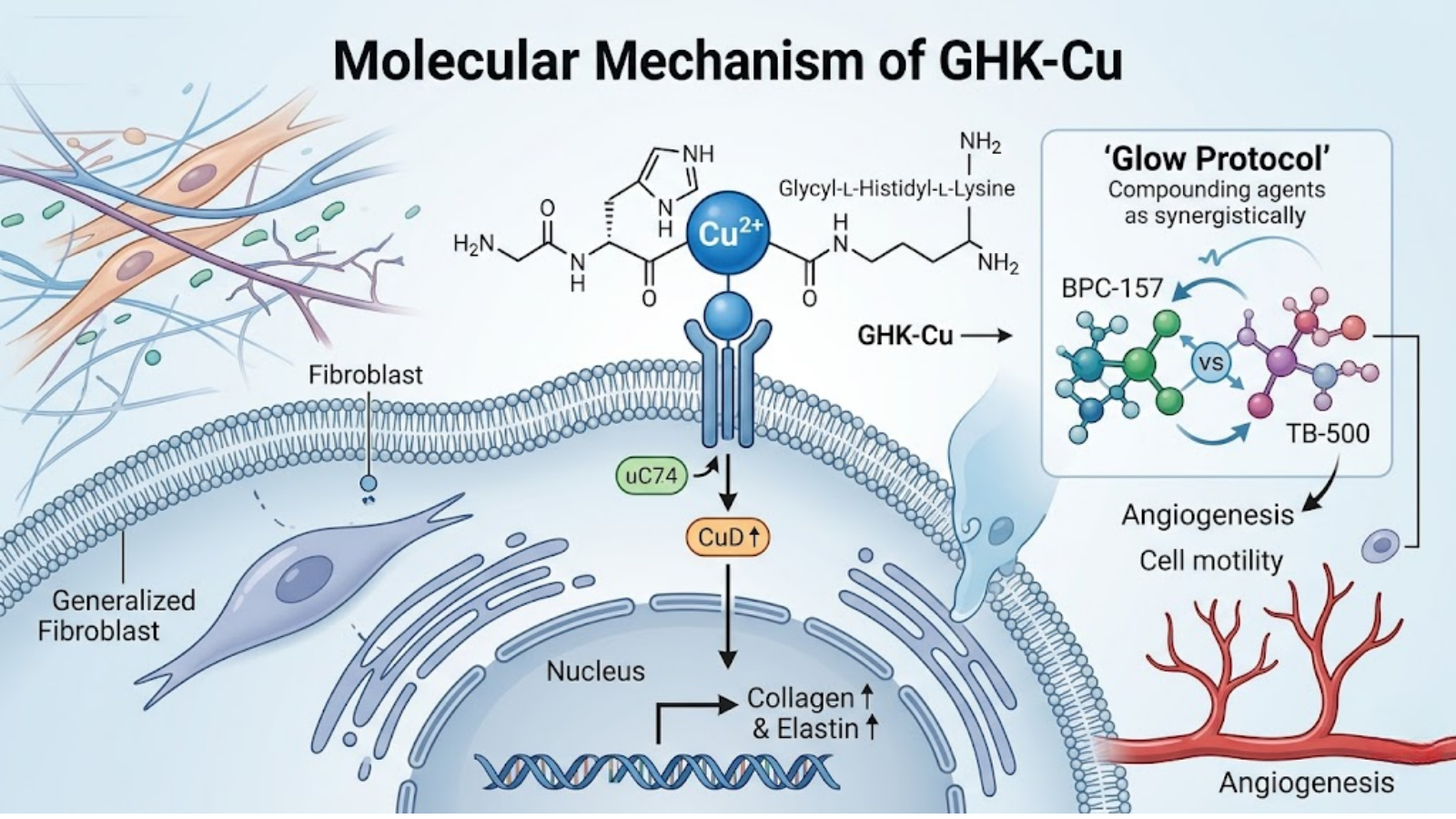
Fig 1. Conceptual visualization of the GHK-Cu molecular complex resetting cellular expression and upregulating collagen synthesis.
GHK-Cu’s Epigenetic Influence
The most groundbreaking data surrounding GHK-Cu involves its capacity for epigenetic modulation. Research conducted using the Broad Institute’s Connectivity Map—a massive database mapping chemical compounds to gene expression signatures—revealed that GHK-Cu is capable of modulating the expression of approximately 31.2% of the human genome (nearly 4,000 genes).
Crucially, it resets the gene expression of senescent cells back to a younger, healthier state. For example, it upregulates genes associated with DNA repair systems (like the ubiquitin-proteasome system) while aggressively downregulating genes linked to metastatic pathways and chronic inflammation. This is not mere cellular stimulation; it is a fundamental reprogramming of the cell’s genetic operating system, instructing older, dysfunctional fibroblasts to behave with the metabolic efficiency of youthful cells.
Mechanisms of the Glow Compounding Agents
- BPC-157’s Endothelial Interaction: BPC-157 interacts directly with the Nitric Oxide (NO) system. It modulates the activity of endothelial nitric oxide synthase (eNOS), which regulates vascular tone and blood pressure. Furthermore, it triggers the activation of the Early Growth Response 1 (EGR-1) gene, a master transcription factor that rapidly initiates the cascade of growth factors necessary for blood vessel formation and tissue granulation.
- TB-500’s Cytoskeletal Remodeling: TB-500 works almost entirely intracellularly. By sequestering G-actin monomers, it maintains a mobile pool of actin that the cell can rapidly polymerize into F-actin filaments. This dynamic cytoskeletal remodeling is what allows cells to physically change shape, divide, and migrate through dense extracellular matrices toward sites of injury or aging.
Receptor Saturation and Half-Life
A critical consideration for B2B synthesis labs and clinical researchers is the differing pharmacokinetics within a compounded stack. Pure GHK-Cu has a relatively short half-life in blood plasma—typically under one hour—due to rapid enzymatic degradation by circulating proteases. However, its downstream epigenetic effects (the gene resetting) can persist for days or weeks.
In the Glow Protocol, researchers must account for competing half-lives. BPC-157 is highly stable in gastric juices but also has a rapid systemic clearance rate, while TB-500 maintains a longer circulating half-life. The complexity of the Glow stack lies in the fact that while the peptides may degrade at different rates within the biological model, the signaling cascades they initiate (angiogenesis, actin-mobilization, collagen synthesis) overlap perfectly, creating an extended, multi-day window of hyper-accelerated regeneration.
6. Clinical Data and Efficacy: What the Research Says
To move beyond theoretical mechanisms, we must examine the empirical data driving the adoption of these peptides in clinical and laboratory settings. The efficacy of these compounds is supported by decades of in vitro assays and in vivo animal models, though human clinical trials for compounded peptide therapeutics remain in the early, highly regulated stages.
Standalone GHK-Cu in Clinical Trials
The clinical literature supporting pure GHK-Cu is extensive and highly rigorous. In controlled dermatological studies, topical and injectable applications of GHK-Cu have consistently demonstrated superior efficacy compared to traditional anti-aging interventions like Retin-A or Vitamin C.
- Wound Healing: In murine models of diabetic ulcers and ischemic wounds, localized injections of GHK-Cu drastically accelerated the rate of wound closure. Biopsies of the healed tissue revealed a higher concentration of well-organized collagen fibers and a significant reduction in inflammatory neutrophils compared to control groups.
- Fibroblast Proliferation: In vitro assays tracking human skin fibroblasts exposed to GHK-Cu show a marked dose-dependent increase in the synthesis of decorin—a proteoglycan that regulates collagen fibrillogenesis—ensuring that newly formed tissue is structurally sound and elastic, rather than rigid and fibrotic.

Fig 2. Advanced peptide research laboratory visualizing HPLC chromatograms for pure GHK-Cu versus multi-peptide compounded stacks.
Evaluating the Efficacy of Multi-Peptide Stacks
Because the Glow Protocol is a compounded formula, researchers must extrapolate data from the individual peptides while observing the synergistic outcomes in practical models. Current clinical data regarding BPC-157 and TB-500 overwhelmingly supports their inclusion in regenerative stacks.
- Tendon and Ligament Repair: In rat models of surgically transected Achilles tendons, the introduction of BPC-157 resulted in robust fibroblast outgrowth and enhanced mechanical strength of the healing tendon within 14 days. When stacked with a compound that directs collagen synthesis (like GHK-Cu), researchers observe not just faster healing, but a return to near-native structural integrity.
- Systemic Inflammatory Modulation: The addition of TB-500 has been shown in vivo to reduce acute inflammation in models of traumatic brain injury and myocardial infarction by preventing apoptosis (programmed cell death) and upregulating actin polymerization.
B2B Insight: Laboratory Analysis and Stability
For synthesis laboratories and clinical investigators, the chemical stability of a lyophilized (freeze-dried) pure GHK-Cu versus a blended Glow formulation is a critical variable. Pure GHK-Cu is highly stable in a lyophilized state when stored at -20°C. However, when compounding the Glow stack, laboratories must consider the differing molecular weights and isoelectric points of GHK-Cu, BPC-157, and TB-500. Advanced synthesis facilities utilize High-Performance Liquid Chromatography (HPLC) to ensure that the compounding process does not lead to peptide degradation or unwanted cross-reactions within the vial prior to reconstitution.
7. Glow vs GHK Cu: A Direct Head-to-Head Comparison
When clinical researchers and advanced biohackers evaluate the debate of glow vs ghk cu, the decision ultimately hinges on the desired velocity of regeneration, the systemic scope of the protocol, and the financial investment.
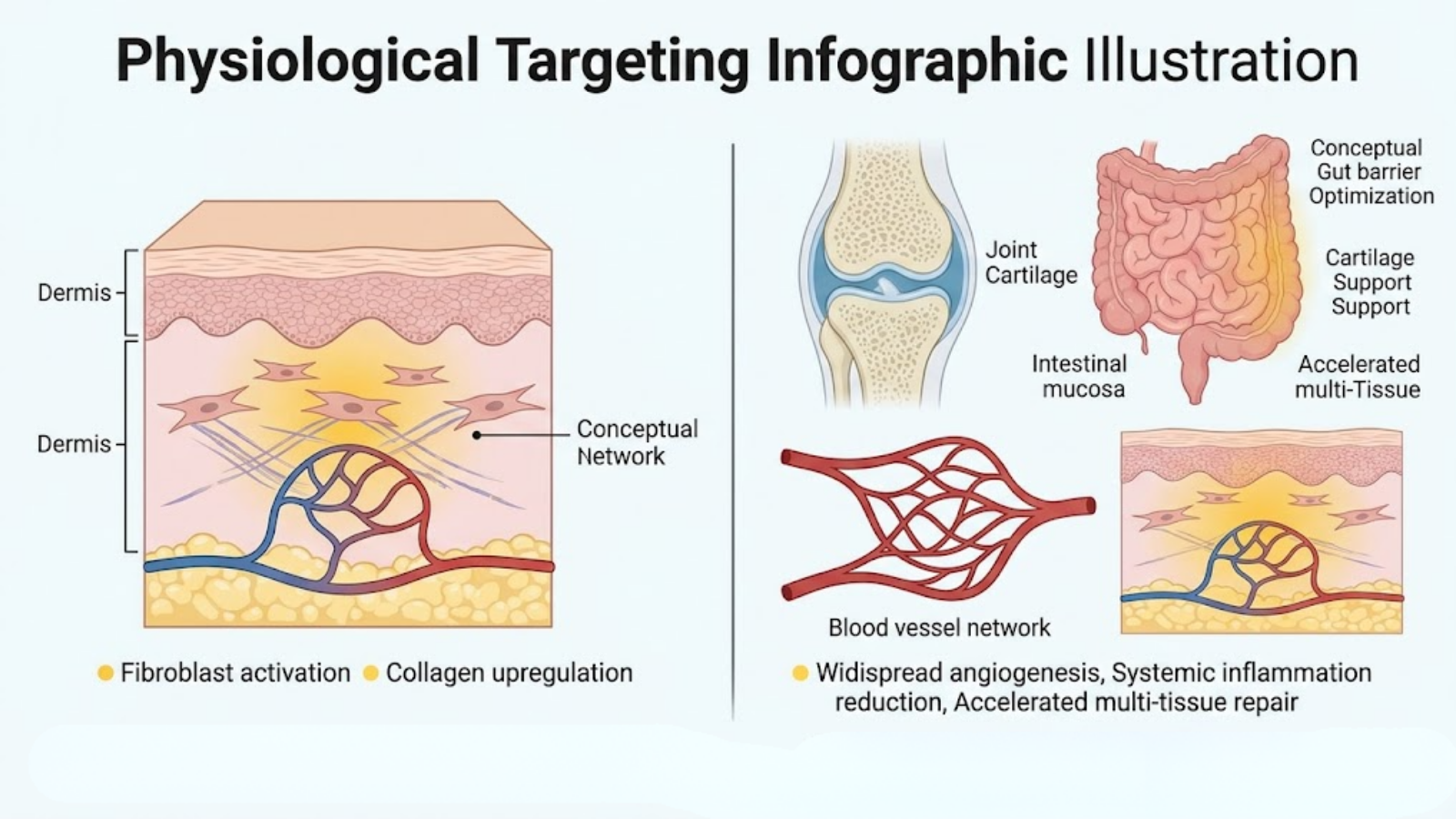
Fig 3. Physiological targeting map comparing localized dermal repair (GHK-Cu) against systemic multi-tissue network regeneration (Glow Protocol).
Speed of Results
In terms of physiological timelines, the Glow Protocol yields significantly faster visible and systemic results. Because BPC-157 rapidly initiates angiogenesis and TB-500 mobilizes cellular transport, the GHK-Cu within the stack is delivered to target tissues with far greater efficiency. While pure GHK-Cu may require 4 to 6 weeks of consistent administration to yield measurable changes in skin elasticity or localized healing, the synergistic effects of the Glow stack often produce subjective improvements in joint mobility, tissue repair, and skin turgor within 10 to 14 days.
Systemic vs. Localized Impact
Pure GHK-Cu is the preferred molecular tool for localized targeting. If a researcher is attempting to stimulate hair growth in a specific quadrant of the scalp or accelerate the healing of an isolated dermal abrasion, injecting pure GHK-Cu locally ensures maximum receptor saturation at the injury site. Conversely, the Glow Protocol is designed for systemic bio-remodeling. Subcutaneous administration of the stack initiates widespread cellular communication, making it the optimal choice for whole-body anti-aging, systemic inflammation reduction, and generalized extracellular matrix repair.
Cost-to-Benefit Ratio
From a synthesis and procurement standpoint, pure GHK-Cu is highly accessible and relatively inexpensive to produce. The Glow Protocol, containing multiple complex peptide sequences, requires a significantly higher financial investment. The cost-to-benefit ratio favors pure GHK-Cu for targeted cosmetic protocols, whereas the Glow stack is the superior investment for comprehensive, full-body regenerative biohacking.
8. Sourcing, Purity, and Synthesis (B2B Focus)
For wholesale distributors, compounding pharmacies, and laboratory researchers, the efficacy of any peptide protocol is fundamentally dictated by molecular purity and precision synthesis.
Wholesale Sourcing and Third-Party Testing
The peptide synthesis market is unfortunately fraught with under-dosed and contaminated products. B2B entities must demand rigorous third-party analytical testing for any batch of GHK-Cu or compounded Glow peptide. The gold standard for verification is a Certificate of Analysis (COA) backed by HPLC (High-Performance Liquid Chromatography) to verify purity (must be >98%) and Mass Spectrometry (MS) to confirm the exact molecular weight and amino acid sequence. Furthermore, rigorous testing must confirm the complete removal of Trifluoroacetic acid (TFA), a toxic byproduct of the solid-phase peptide synthesis process.
Lyophilization and Storage Parameters
Peptides are fragile molecular structures. They are supplied in a lyophilized (freeze-dried) puck to preserve their integrity.
- Dry Storage: Lyophilized pure GHK-Cu and Glow blends should be stored in a freezer at -20°C, where they can remain stable for up to 24 months.
- Reconstituted Storage: Once reconstituted with bacteriostatic water, the peptide bonds become vulnerable to hydrolysis and enzymatic degradation. Reconstituted vials must be kept refrigerated at 2°C to 8°C and utilized within 21 to 28 days to prevent loss of biological activity.
Red Flags in Peptide Manufacturing
Laboratories must be vigilant against poor synthesis protocols. Key red flags include:
- Cloudy Reconstitution: Pure GHK-Cu and Glow peptides should reconstitute into a perfectly clear solution (often with a distinct blue tint in the case of high-dose GHK-Cu). Cloudiness indicates particulate matter, incomplete synthesis, or improper pH balancing.
- Lack of Independent Verification: If a manufacturer provides in-house COAs rather than data from an accredited, independent analytical laboratory, the batch should be considered compromised for clinical research purposes.
9. Advanced Biohacking: Practical Applications and Healing Protocols
For the advanced biohacker bridging the gap between laboratory data and practical application, understanding the nuances of administration, dosing parameters, and cofactor management is paramount.
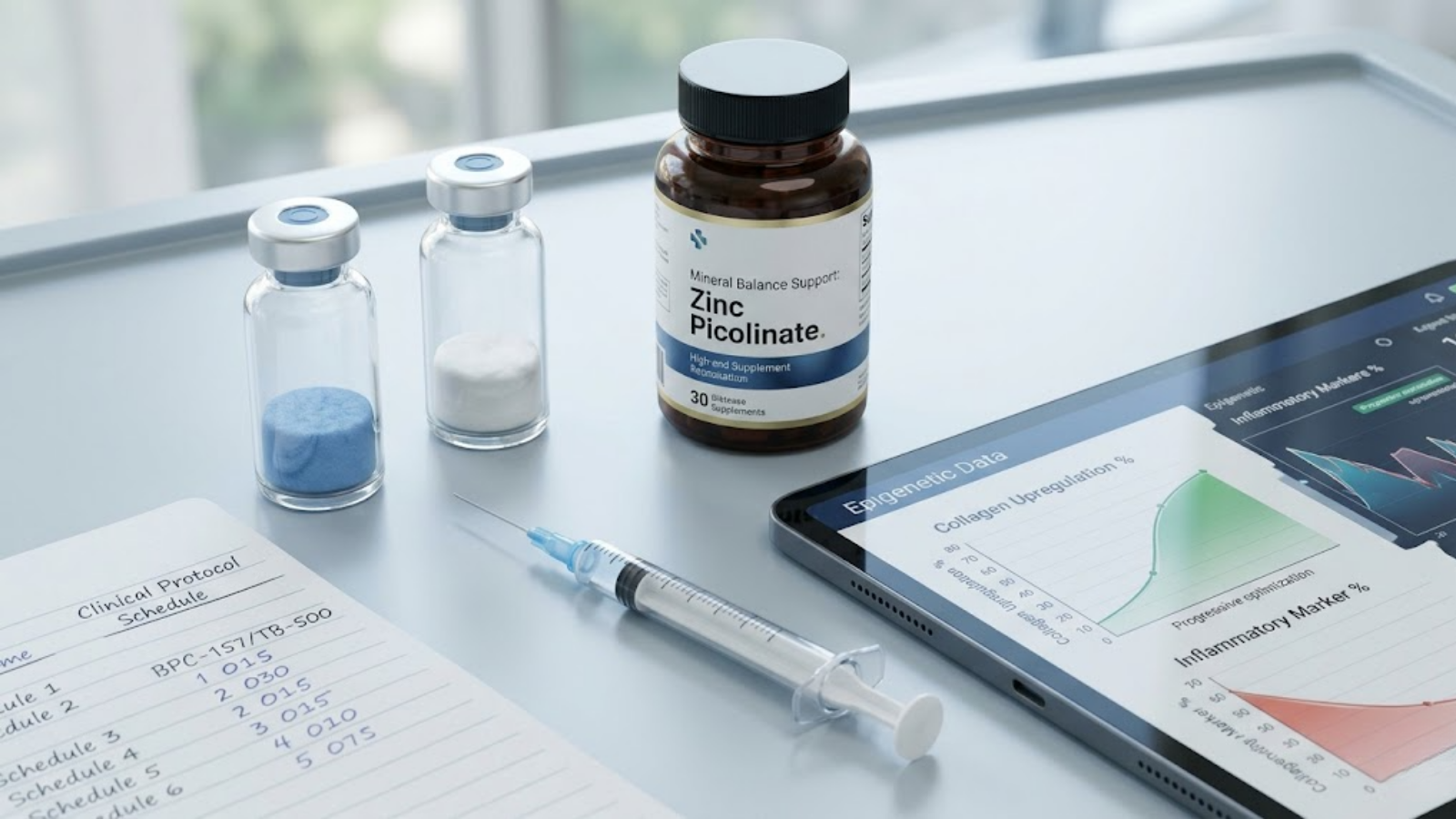
Fig 4. Professional medical optimization flat lay depicting advanced healing protocols, lyophilized peptides, and critical cofactors like Zinc Picolinate.
Subcutaneous vs. Topical Administration
While topical GHK-Cu creams are ubiquitous in the cosmetic industry, their bioavailability is severely limited by the stratum corneum (the outermost layer of the epidermis). Subcutaneous (SubQ) injection into the adipose tissue is the preferred administration route for advanced biohacking. SubQ delivery ensures 100% systemic bioavailability, allowing the peptides to enter the bloodstream and exert their effects on systemic fibroblast populations, blood vessels, and internal organs.
Structuring a Pure GHK-Cu Cycle
When utilizing pure GHK-Cu for systemic skin remodeling and anti-aging, precise titration is required to prevent adverse reactions.
- Standard Dosing: A common biohacking protocol involves administering 1.5mg to 2mg of GHK-Cu subcutaneously per day.
- Cycle Length: Due to the risk of copper accumulation, protocols are typically run in 4 to 8-week cycles, followed by an equal length of time completely off the peptide to allow the body’s mineral balance to achieve homeostasis.
The Optimal Glow Protocol Cycle
Dosing the Glow stack is inherently more complex due to the presence of multiple active compounds. Assuming a standard blended vial (e.g., a 10mg vial containing a proprietary ratio of GHK-Cu, BPC-157, and TB-500):
- Systemic Repair Protocol: Biohackers often administer 500mcg to 1,000mcg of the blended compound daily. Because BPC-157 and TB-500 are heavily involved in acute injury repair, the Glow Protocol is frequently utilized in shorter, more aggressive bursts (e.g., a 30-day accelerated healing protocol post-injury or post-surgery) rather than a prolonged anti-aging cycle.
Managing Zinc Depletion
This is arguably the most critical and frequently overlooked aspect of advanced GHK-Cu biohacking. Copper and zinc are antagonistic minerals; they compete for the same absorption pathways and transport proteins (such as metallothionein) within the body. Introducing high levels of exogenous copper via daily GHK-Cu injections will systematically deplete intracellular zinc levels over time. To mitigate this, biohackers must implement a daily supplementation protocol of 30mg to 50mg of elemental zinc (such as Zinc Picolinate or Zinc Glycinate) while running a GHK-Cu or Glow cycle. Failure to manage this mineral ratio can result in zinc deficiency symptoms, including immune suppression, lethargy, and paradoxical hair shedding.
10. Safety, Side Effects, and Contraindications
While peptides are generally well-tolerated due to their endogenous nature, introducing supraphysiological doses of highly concentrated compounds carries inherent risks that must be managed clinically.
Potential Side Effects of GHK-Cu
- Post-Injection Pain (PIP): The most notorious side effect of subcutaneous GHK-Cu is intense, localized pain, redness, and swelling at the injection site. This occurs because the compound is inherently irritating to subcutaneous adipose tissue. Biohackers frequently mitigate this by heavily diluting the GHK-Cu with additional bacteriostatic water or compounding it directly with BPC-157, which has potent localized anti-inflammatory properties that neutralize the PIP.
- Systemic Copper Toxicity: Prolonged, uncycled use of high-dose GHK-Cu can lead to elevated serum copper levels. Symptoms of copper toxicity include neurological fatigue, headaches, joint aches, and mood disturbances. Researchers should periodically monitor ceruloplasmin (a copper-binding protein) and serum copper levels during extended cycles.
Compounding Risks in the Glow Protocol
When executing the Glow Protocol, the primary risk is hyper-angiogenesis. BPC-157 is a massive driver of new blood vessel formation. While this is incredibly beneficial for healing a torn ligament or rejuvenating ischemic skin tissue, angiogenesis is biologically indiscriminate. If an individual has an undiagnosed, vascular-dependent tumor, the aggressive promotion of new blood vessels could theoretically accelerate its growth.
Who Should Avoid These Protocols?
Both pure GHK-Cu and the Glow Protocol are strictly contraindicated for individuals with:
- Active oncology patients or a history of specific aggressive cancers.
- Wilson’s Disease or other genetic disorders affecting copper metabolism.
- Pregnant or nursing women, as the epigenetic effects on fetal development are entirely unknown.
11. Frequently Asked Questions (FAQs)
What is the difference between standalone GHK-Cu and the Glow peptide protocol?
Standalone GHK-Cu is a single tripeptide-copper complex used for localized collagen synthesis, epigenetic anti-aging, and skin elasticity. The Glow Protocol is a compounded multi-peptide stack (typically GHK-Cu, BPC-157, and TB-500) designed for systemic cellular rejuvenation, rapid angiogenesis, and aggressive full-body healing.
How long does it take to see skin results from the Glow peptide stack?
Because the Glow stack incorporates BPC-157, which rapidly increases localized blood flow and cellular turnover, users frequently report subjective improvements in skin hydration and turgor within 10 to 14 days. Measurable improvements in dermal thickness and reduction in fine lines typically emerge between weeks 4 and 6.
Which is better for anti-aging: topical GHK-Cu or injectable Glow peptides?
Injectable Glow peptides are vastly superior for systemic anti-aging. Topical GHK-Cu is limited by poor epidermal penetration and only affects the localized dermal surface. Subcutaneous injection of the Glow stack ensures 100% bioavailability, allowing the peptides to remodel the extracellular matrix systemically.
What is the optimal lyophilization process for pure GHK-Cu vs multi-peptide blends?
Both require rigorous lyophilization at temperatures below -40°C in a high-vacuum environment to remove all moisture without damaging the fragile peptide bonds. For multi-peptide blends like the Glow stack, laboratories must carefully balance the pH prior to freeze-drying to prevent cross-reactions between the differing amino acid sequences during the reconstitution phase.
How do I properly cycle GHK-Cu for advanced skin biohacking?
A standard advanced cycle involves administering 1.5mg to 2mg of GHK-Cu subcutaneously daily for 6 to 8 weeks. This must be accompanied by daily zinc supplementation (30mg – 50mg) to prevent copper-induced zinc depletion. The cycle should be followed by a minimum of 4 weeks entirely off the compound.
12. Key Takeaways
Summary of the Science
The debate regarding glow vs ghk cu is fundamentally a choice between targeted precision and synergistic power. Pure GHK-Cu is a master epigenetic modulator, capable of resetting thousands of genes to a more youthful state while laying down highly organized collagen networks. The Glow Protocol harnesses this architectural power but supercharges it by utilizing BPC-157 and TB-500 to build new vascular supply lines and mobilize cellular transport, resulting in hyper-accelerated, systemic regeneration.
Final Recommendations for Labs and Clinics (B2B)
For compounding pharmacies, wholesale distributors, and clinical researchers, the priority must remain absolute purity and stability. When sourcing standalone GHK-Cu or synthesizing a Glow peptide stack, demand independent HPLC and Mass Spectrometry testing. Ensure that compounded multi-peptide vials maintain molecular stability post-reconstitution, and strictly adhere to cold-chain storage protocols to preserve clinical efficacy.
Final Recommendations for Biohackers (B2C)
For the advanced biohacker, protocol selection should be dictated by your specific biological goals. If your primary objective is localized cosmetic enhancement, reversing skin thinning, or stimulating hair follicles, pure GHK-Cu is the optimal, cost-effective target. However, if you are seeking to repair systemic connective tissue, heal from musculoskeletal trauma, and achieve widespread anti-aging effects, the synergistic power of the Glow Protocol offers an unparalleled bio-regenerative advantage. Always respect the potency of these compounds by strictly managing your copper-to-zinc ratios and adhering to safe cycling parameters.