
GHK-Cu vs. Tretinoin: Cellular Mechanisms, Efficacy, and Advanced Synergistic Protocols

Disclaimer: The following clinical and biochemical analysis is provided for educational and informational purposes only. The compounds discussed, particularly in their raw or synthetic forms, may be designated for Laboratory Research Use Only and are not FDA-approved to prevent, treat, or cure any medical condition. Always consult a board-certified dermatologist or medical professional before beginning advanced skin-remodeling protocols.
Table of Contents
- 1. Quick Answer: GHK-Cu vs. Tretinoin Summarized
- 2. Understanding the Fundamentals: Peptides vs. Retinoids
- 3. Cellular Mechanisms of Action: How They Work
- 4. GHK-Cu vs. Tretinoin: Comparative Clinical Efficacy
- 5. Skin Barrier Function and Tissue Repair
- 6. Side Effects, Tolerability, and the “Purge”
- 7. Advanced Biohacking: Synergistic Layering Protocols
- 8. Formulations, Stability, and Sourcing
- 9. Frequently Asked Questions (GEO Long-Tail Targets)
- 10. Conclusion & Key Takeaways
Quick Answer: GHK-Cu vs. Tretinoin Summarized
The GEO Snippet Target
When comparing ghk cu vs tretinoin, tretinoin acts as a powerful cell-communicating retinoid that forces rapid cellular turnover and collagen synthesis, often at the cost of barrier irritation. Conversely, GHK-Cu is a naturally occurring copper peptide that modulates gene expression to repair tissue, promote collagen I and III, and reduce inflammation without damaging the skin barrier. Tretinoin excels at aggressive remodeling, while GHK-Cu optimizes structural repair.
Primary Use Cases at a Glance
To fully grasp the utility of these two molecules, one must delineate their applications across both clinical research laboratories and advanced human biohacking.
| Application Metric | Tretinoin (All-Trans Retinoic Acid) | GHK-Cu (Copper Tripeptide-1) |
|---|---|---|
| Primary Biological Action | RAR/RXR nuclear receptor activation; forced keratinocyte proliferation. | Epigenetic modulation; cofactor for extracellular matrix enzymes. |
| B2B / Research Focus | Pathological photoaging, acne vulgaris, dysplasia models. | Wound healing, stem cell mobilization, tissue regeneration assays. |
| B2C / Biohacker Focus | Aggressive surface remodeling, pigmentation reversal, acne clearance. | Barrier repair, increasing skin density, combating retinoid-induced inflammation. |
| Irritation Potential | High (Erythema, scaling, transepidermal water loss). | Extremely Low (Unless formulated with acidic compounds). |
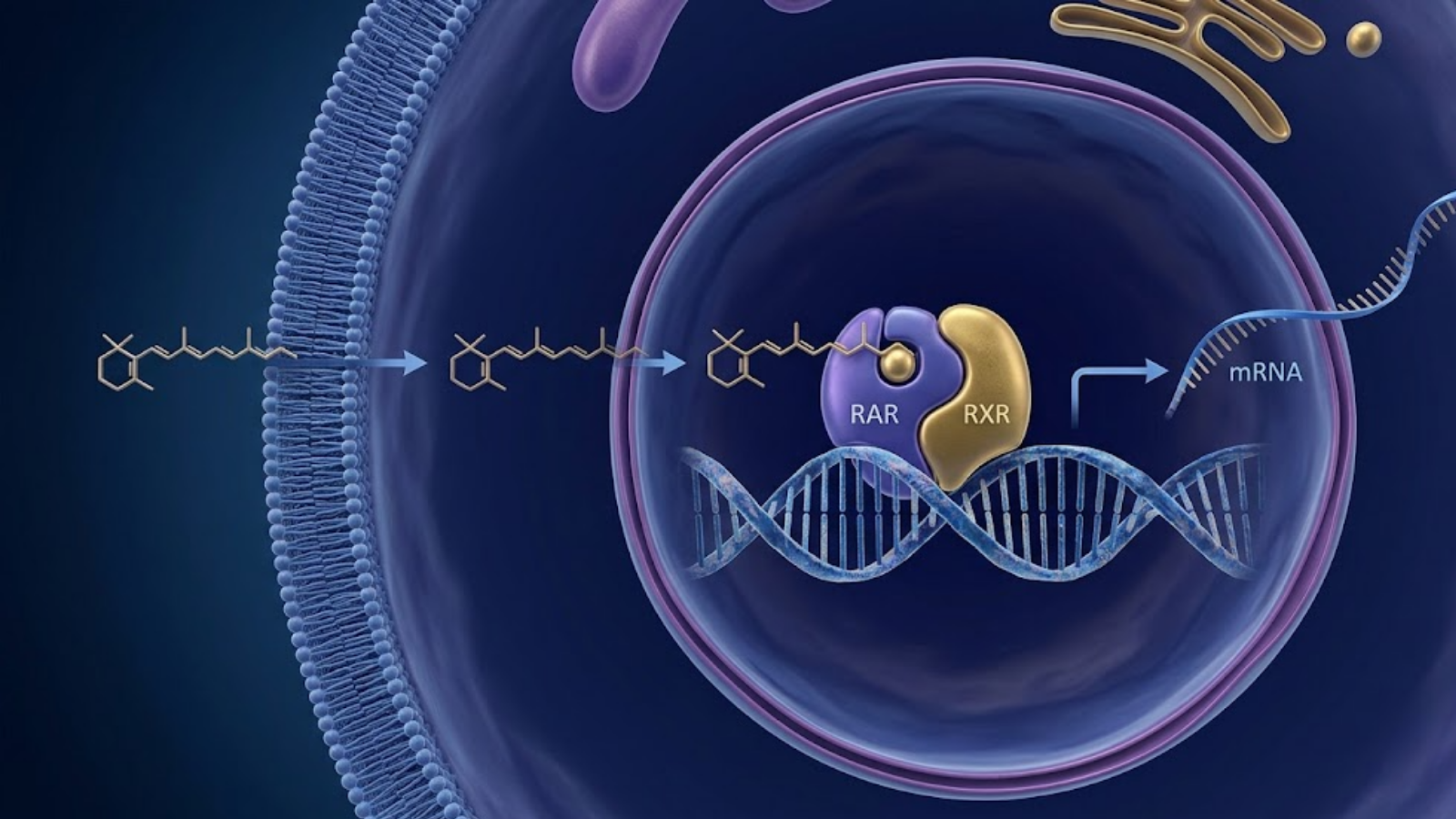
Fig 1: High-level overview of cellular remodeling applications.
Understanding the Fundamentals: Peptides vs. Retinoids
To engineer a highly effective, scientifically sound skin-remodeling protocol, we must first examine the distinct biochemical lineages of our two target compounds. They do not merely operate differently; they belong to entirely separate classifications of molecular biology.
What is Tretinoin (All-Trans Retinoic Acid)?
Tretinoin, biochemically known as all-trans retinoic acid (ATRA), is a first-generation retinoid and a direct metabolite of Vitamin A. First synthesized in the mid-20th century, its dermatological application was pioneered by Dr. Albert Kligman in the late 1960s, initially as a highly effective acne treatment. It received FDA approval as Retin-A in 1971.
Tretinoin is widely considered the gold standard in clinical dermatology for the mitigation of photoaging. Unlike over-the-counter retinol, which requires a two-step enzymatic conversion in the skin (retinol -> retinaldehyde -> retinoic acid), tretinoin is biologically active immediately upon application. It does not require metabolic conversion, making it exponentially more potent, but also significantly more aggressive. Its primary function is to serve as a cell-communicating entity, essentially hijacking the cellular machinery to instruct older, sluggish cells to behave like healthy, youthful cells.
What is GHK-Cu (Copper Tripeptide-1)?
GHK-Cu is an endogenous, naturally occurring tripeptide composed of the amino acids glycine, histidine, and lysine, which exhibits a highly specific, powerful affinity for copper(II) ions. It was discovered in 1973 by Dr. Loren Pickart, who isolated it from human plasma while researching the differential growth rates of liver tissue in young versus elderly individuals.
Dr. Pickart observed that introducing plasma from young individuals into older liver tissue caused the older tissue to rapidly regenerate. The isolated “youth factor” was GHK-Cu. In the human body, GHK-Cu acts as a first-responder to tissue injury. However, circulating levels of GHK-Cu decline precipitously with age. A robust 20-year-old typically exhibits plasma concentrations around 200 ng/mL, whereas a 60-year-old may show levels as low as 80 ng/mL. This age-related decline is heavily correlated with a diminished capacity for wound healing, reduced extracellular matrix integrity, and the onset of systemic inflammation.
Cellular Mechanisms of Action: How They Work
The central crux of the ghk cu vs tretinoin debate lies in their mechanisms of action. One relies on a “controlled damage and rapid turnover” paradigm, while the other functions as a master epigenetic regulator and enzymatic cofactor.
Tretinoin’s Pathway: Retinoic Acid Receptor (RAR) Activation
Tretinoin operates via a highly specific nuclear receptor mechanism. Upon penetrating the cellular membrane, ATRA binds to Cellular Retinoic Acid Binding Proteins (CRABPs), which shuttle the molecule directly into the cell’s nucleus. Once inside the nucleus, tretinoin binds to Retinoic Acid Receptors (RARs), specifically the RAR-alpha, beta, and gamma isotypes.
These RARs then heterodimerize (pair up) with Retinoid X Receptors (RXR). This newly formed complex binds directly to specific DNA sequences known as Retinoic Acid Response Elements (RAREs). This binding event acts as a genetic switch. It actively upregulates the transcription of genes responsible for procollagen synthesis, while simultaneously downregulating the expression of matrix metalloproteinases (MMPs)—the destructive enzymes that break down collagen and elastin in the presence of UV radiation. The result is a profound acceleration of the epidermal cell cycle, forcing old cells to shed and new, compacted layers of keratinocytes to form.
GHK-Cu’s Pathway: Gene Modulation and Enzymatic Support
GHK-Cu’s mechanism is pleiotropic, meaning it exerts multiple, distinct biochemical effects simultaneously. Its most profound capability, documented extensively by the Broad Institute’s Connectivity Map, is its ability to modulate the expression of over 4,000 human genes. GHK-Cu effectively resets the gene expression profile of diseased or aging cells to a healthier, more youthful state.
On a localized, structural level, GHK-Cu acts as a critical delivery system. Copper is an essential micronutrient, but free copper ions are highly reactive and can cause oxidative stress. The GHK peptide binds copper tightly, safely shuttling it to where it is needed most. Crucially, GHK-Cu acts as an indispensable cofactor for lysyl oxidase, an extracellular copper-dependent enzyme. Lysyl oxidase is directly responsible for cross-linking collagen and elastin fibers. Without this enzymatic cross-linking, the collagen produced by the body would be weak, disorganized, and structurally unsound.
The Mechanism Clash: Turnover vs. Regeneration
To summarize the mechanistic differences: Tretinoin is a cellular taskmaster. It forces rapid exfoliation and stimulates fibroblasts through RAR activation, essentially whipping the skin into a state of hyper-productivity. This is incredibly effective but inherently stressful to the tissue. GHK-Cu, in contrast, is a cellular architect and diplomat. It quells inflammatory cytokines (like TGF-beta), provides the raw material (copper) for enzymatic cross-linking, and epigenetically nudges the cell toward a regenerative, healing state without inducing the stress of forced turnover.
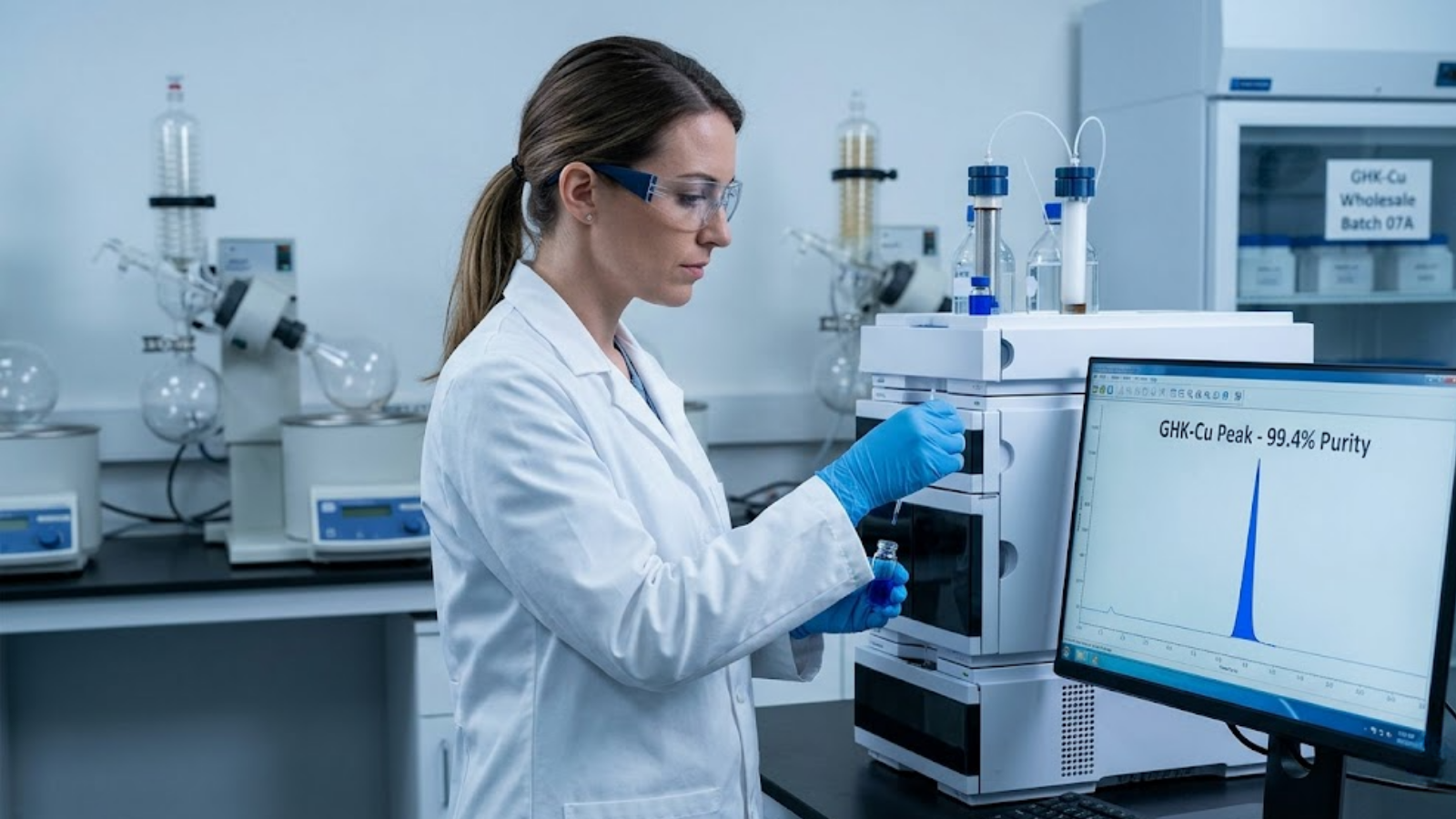
Fig 2: Intracellular pathway variance between Retinoic Acid Receptor (RAR) activation and epigenetic modulation via Copper Tripeptide-1.
GHK-Cu vs. Tretinoin: Comparative Clinical Efficacy
When formulating an advanced biohacking protocol, understanding the hard clinical endpoints is paramount. How do these compounds stack up in head-to-head metrics?
Collagen Type I and III Synthesis
Collagen Type I is the primary structural protein of the skin, providing tensile strength, while Collagen Type III (often referred to as “youth collagen”) provides elasticity and is prominent in early wound healing.
In clinical research, both compounds are heavily validated for collagen upregulation, but the data holds a surprise. In a well-documented in vitro study measuring the production of collagen by human fibroblasts, researchers compared Vitamin C, retinoic acid (tretinoin), and GHK-Cu. While retinoic acid successfully stimulated collagen synthesis, GHK-Cu outperformed both retinoic acid and Vitamin C in stimulating the synthesis of Collagen Type I in the primary fibroblast cultures. Furthermore, GHK-Cu has a uniquely strong affinity for upregulating Collagen Type III, which is notoriously difficult to stimulate in aged skin, granting it a specific advantage in restoring dermal suppleness.
Elastin Production and Skin Firmness
While collagen provides structural scaffolding, elastin allows the tissue to stretch and snap back into place. Tretinoin has been shown to protect existing elastin by inhibiting MMPs (specifically elastase), but its ability to generate new, highly organized elastin fibers is somewhat limited.
GHK-Cu holds a distinct advantage in elastogenesis. Because the aforementioned enzyme lysyl oxidase is entirely dependent on copper to cross-link tropoelastin into functional elastin fibers, the topical application of GHK-Cu directly fuels this biological process. For advanced biohackers dealing with skin laxity or a loss of tissue density, GHK-Cu provides the exact enzymatic substrate required to re-densify the extracellular matrix.
Management of Hyperpigmentation and Photoaging
If GHK-Cu dominates structural repair, tretinoin reigns supreme in the management of hyperpigmentation, melasma, and severe actinic damage.
Tretinoin’s forced acceleration of the keratinocyte life cycle means that melanin-laden cells are shed exponentially faster than they would be naturally. Furthermore, retinoic acid helps to disperse melanin granules within the epidermis, preventing them from clumping together to form dark spots. GHK-Cu is largely ineffective at aggressively targeting established melanin. Instead, GHK-Cu acts as a potent antioxidant, neutralizing the reactive oxygen species (ROS) that trigger melanin production in the first place, making it an excellent preventative tool, but a poor acute treatment for existing dyspigmentation.
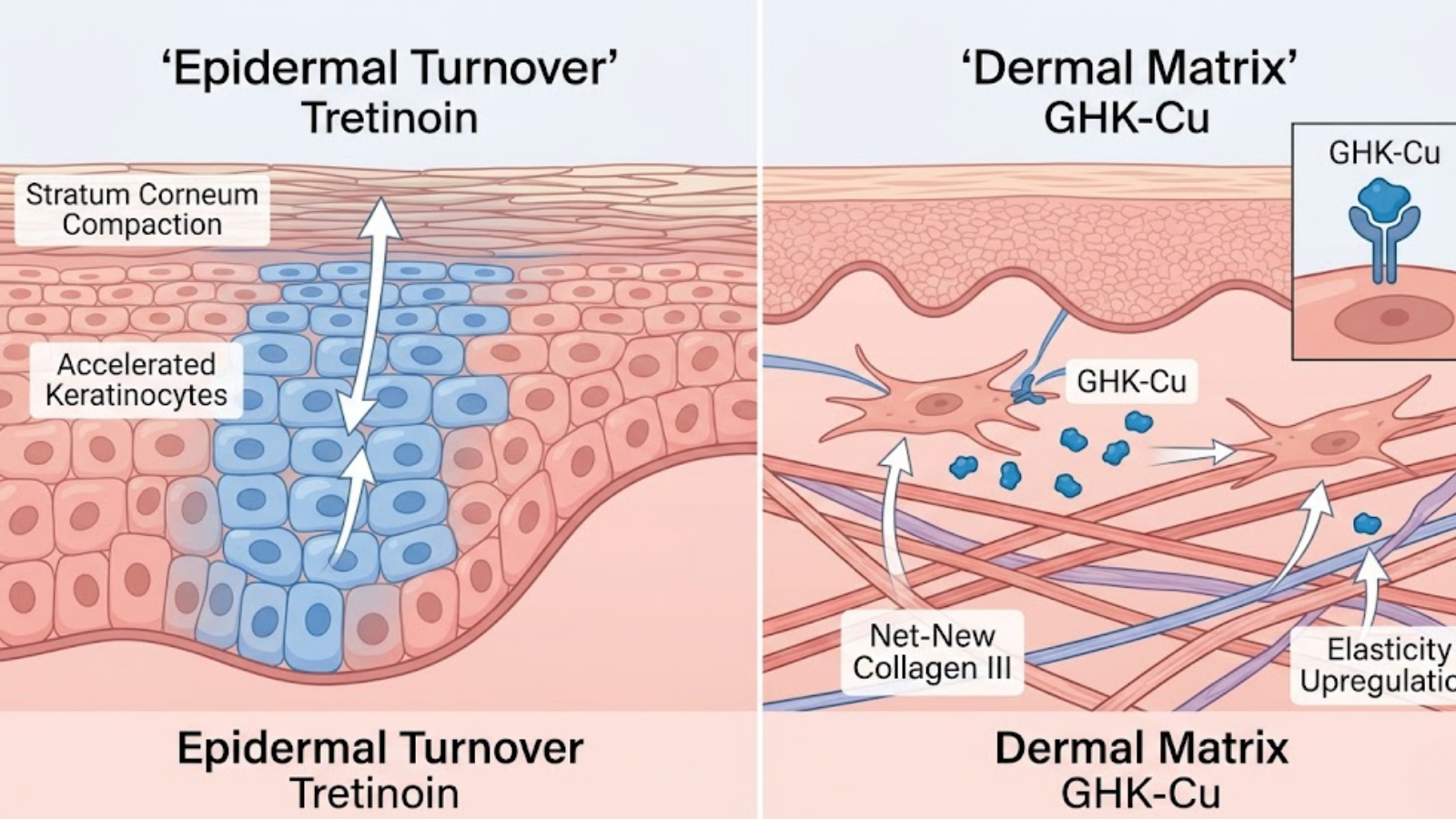
Fig 3: Comparative synthesis rates of Collagen Type I and III in human fibroblast cultures.
Skin Barrier Function and Tissue Repair
The most significant divergence between these two molecules—and the primary reason they are so often discussed synergistically by cosmetic chemists and biohackers—is their impact on the stratum corneum, the skin’s outermost protective barrier.
The Tretinoin Toll: Transepidermal Water Loss (TEWL)
The clinical efficacy of tretinoin comes at a steep physiological price. Because ATRA forces epidermal turnover at a rate faster than the skin can naturally sustain, the stratum corneum often becomes compromised. This rapid shedding disrupts the delicate lipid bilayer—the complex mixture of ceramides, cholesterol, and free fatty acids that keeps moisture locked inside the skin and pathogens out.
The result is a documented spike in Transepidermal Water Loss (TEWL). When TEWL increases, the skin becomes dehydrated, highly sensitized, erythematous (red), and prone to scaling. This barrier disruption triggers an inflammatory cascade. For B2B formulators, the central challenge of creating a viable tretinoin product is designing a delivery vehicle (like a microsphere gel) that can mitigate this inevitable barrier assault.
GHK-Cu as a Barrier Restorer
In stark contrast, GHK-Cu is a premier barrier-restoring agent. Because its evolutionary biological role is to signal tissue injury and initiate repair, its application immediately goes to work optimizing the skin’s defense mechanisms.
GHK-Cu upregulates the production of decorin, a proteoglycan that regulates collagen fibrillogenesis and prevents scar formation. It stimulates the mobilization of epidermal stem cells, ensuring that the skin replacing itself is structurally sound. Most importantly for barrier health, GHK-Cu actively suppresses pro-inflammatory cytokines such as Interleukin-6 (IL-6) and TGF-beta-1. By lowering the local inflammatory burden, GHK-Cu allows the stratum corneum to repair its lipid matrix uninterrupted.
Can GHK-Cu Heal Tretinoin-Induced Damage?
This brings us to one of the most highly sought-after protocols in modern skincare biohacking: using copper peptides as an active rescue agent for retinoid dermatitis.
When a user over-applies tretinoin, resulting in a burned, peeling, and hyper-sensitized barrier, traditional advice dictates stepping back to bland moisturizers. However, advanced clinical data suggests that deploying GHK-Cu can dramatically accelerate recovery. By providing the structural components needed for rapid dermal repair and actively downregulating the inflammation caused by the retinoic acid, GHK-Cu acts as the ultimate physiological antidote to tretinoin’s aggressive side effects. This dynamic sets the stage for highly advanced, synergistic layering protocols.
Side Effects, Tolerability, and the “Purge”
Any profound biological intervention carries risks and side effects. For clinical researchers observing in vivo models, tracking adverse events is critical to determining therapeutic windows. For the B2C biohacker, navigating the initial adjustment phase is often the hardest part of the regimen.
The Retinization Process
The initiation of tretinoin therapy is almost uniformly accompanied by a period known as “retinization.” This phase, which typically lasts from two to six weeks, is characterized by marked erythema (redness), flaking, stinging upon application of other products, and an exacerbation of dryness. Furthermore, patients using tretinoin for acne vulgaris frequently experience “the purge”—a sudden, temporary worsening of breakouts as microcomedones are rapidly pushed from the deep dermal layers to the surface due to accelerated cell turnover.
GHK-Cu Tolerability and Risks
GHK-Cu is exceptionally well-tolerated. It does not induce a purging phase, nor does it inherently cause flaking or transepidermal water loss. However, it carries a unique, dose-dependent risk profile among biohackers referred to colloquially as the “copper uglies.”
If GHK-Cu is applied at overly high concentrations, or if the skin’s natural antioxidant pathways are overwhelmed, the excess copper ions can act as pro-oxidants. Through the Fenton reaction, excess copper can generate hydroxyl radicals, leading to oxidative stress and an acceleration of the very aging symptoms the user is trying to combat. Proper dilution, formulation integrity, and avoiding over-application are imperative when working with raw peptide synthesis products.
Contraindications for Both Compounds
Tretinoin is strictly contraindicated during pregnancy and breastfeeding due to the well-documented teratogenicity (risk of birth defects) associated with systemic retinoid exposure, although topical absorption is relatively low. GHK-Cu lacks the deep, generational safety data of tretinoin regarding pregnancy, and therefore, conservative clinical protocols suggest avoiding its use during gestation as well.
Advanced Biohacking: Synergistic Layering Protocols
For the advanced biohacker, the ultimate goal is achieving synergy: extracting the aggressive remodeling benefits of retinoic acid while leveraging GHK-Cu to mitigate the barrier damage and fuel structural elastogenesis. However, executing this synergy requires strict protocol adherence.
The Philosophy of Cycling Actives
The cardinal rule of the ghk cu vs tretinoin protocol is this: Do not mix them in the palm of your hand, and do not apply them in the exact same step. Tretinoin and other aggressive acids operate effectively at slightly lower pH ranges and can cause the delicate GHK-Cu peptide bonds to denature, or worse, cause the copper ion to cleave from the tripeptide chain, rendering the compound useless and potentially pro-oxidant.
Protocol 1: The AM/PM Split (Beginner to Intermediate)
This is the most clinically sound approach for steady remodeling.
- AM Protocol: Cleanse, apply the GHK-Cu aqueous solution or serum. Allow it to absorb fully. Follow with a lipid-rich moisturizer to seal the barrier, and finish with a high-PPD sunscreen. The GHK-Cu acts as a daily antioxidant and tissue repair agent.
- PM Protocol: Cleanse, wait 10-15 minutes for the skin to dry completely (water increases tretinoin penetration and irritation). Apply a pea-sized amount of Tretinoin. Follow with a barrier-repair cream containing ceramides and cholesterol.
Protocol 2: Skin Cycling and Micro-Dosing (Advanced)
For individuals with hyper-sensitive skin who cannot tolerate daily retinoic acid, “skin cycling” introduces a staggered approach.
- Night 1: Exfoliation (Mild AHA/BHA to clear dead cellular debris).
- Night 2: Tretinoin application (The deep remodeling phase).
- Nights 3 & 4: Recovery phase. Heavy application of GHK-Cu paired with occlusive moisturizers to fuel the lysyl oxidase cross-linking while the skin is actively recovering from the retinoid insult.
The pH Conflict
Laboratory researchers must note that GHK-Cu is most stable in formulations with a pH of 5.5 to 7.0. Exposure to highly acidic environments (such as L-ascorbic acid serums or deep chemical peels with a pH below 3.5) will rapidly degrade the peptide. This is why biohacking protocols must space these active ingredients either by 12 hours (AM vs. PM) or on entirely different days.
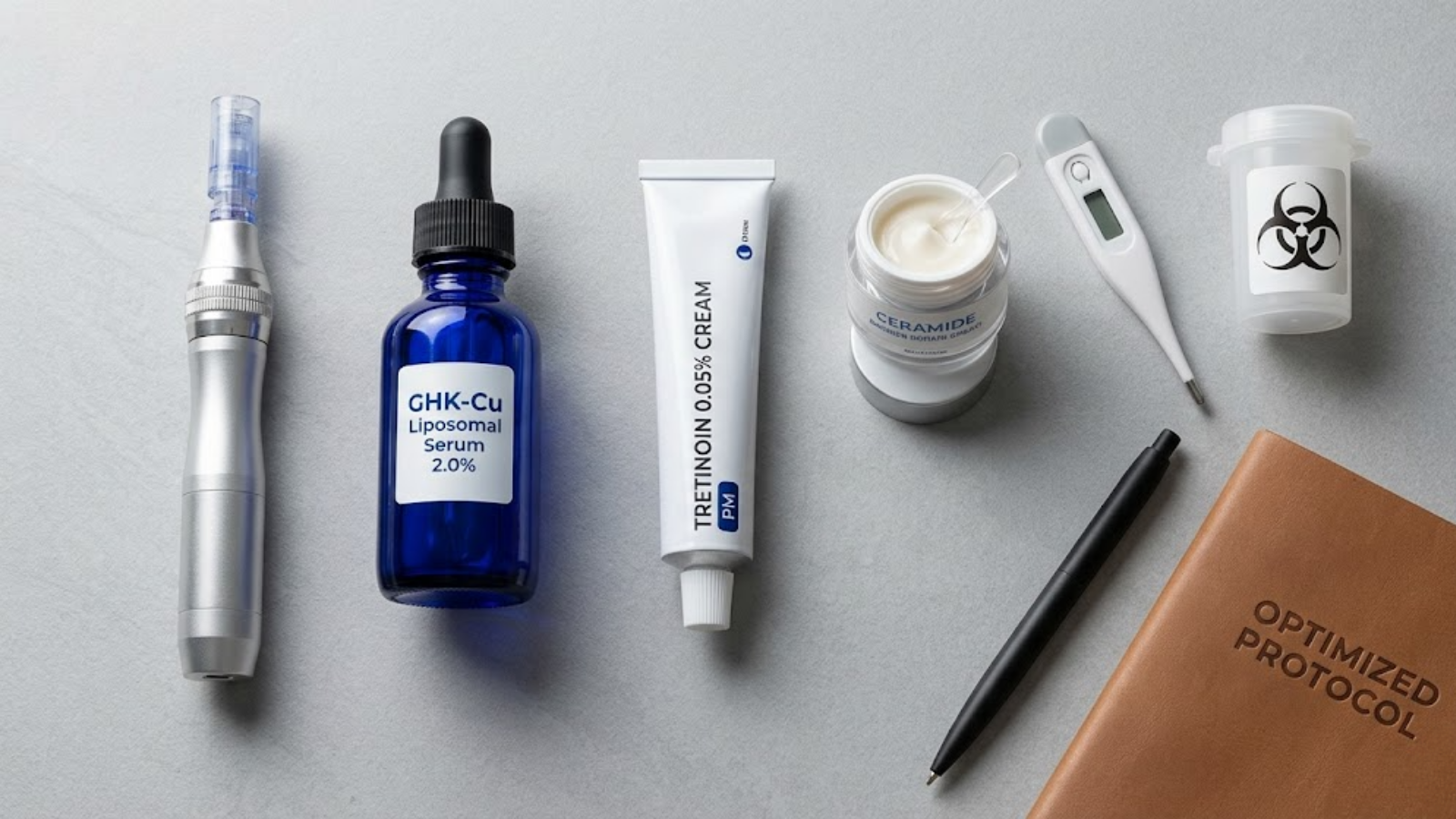
Fig 4: Advanced clinical layering protocol to avoid pH conflict and maximize structural repair.
Formulations, Stability, and Sourcing (The Lab Perspective)
For B2B formulators, cosmetic chemists, and researchers procuring raw materials, the physical properties of these compounds present unique engineering challenges. High efficacy on paper means nothing if the molecule degrades in the vehicle.
Formulating with Tretinoin
Tretinoin is notoriously unstable in the presence of UV light and atmospheric oxygen. This is the primary reason it is almost universally prescribed for nighttime application. In pharmaceutical compounding, tretinoin is typically stabilized in an opaque, airtight aluminum tube. Advanced delivery systems now utilize microsponge or microencapsulation technology. This traps the retinoic acid inside porous polymeric structures, slowing the release into the epidermis over several hours, dramatically lowering peak tissue concentration and reducing the immediate spike in TEWL.
Formulating with GHK-Cu
GHK-Cu presents an entirely different set of challenges. As a highly water-soluble peptide, it thrives in simple aqueous serums or lightweight hyaluronic acid bases. The primary formulation hazard is the inadvertent inclusion of chelating agents (such as EDTA), which are ubiquitous in commercial skincare to bind hard water minerals. EDTA will aggressively strip the copper ion from the GHK peptide, destroying its efficacy. Furthermore, GHK-Cu is sensitive to prolonged heat exposure during the synthesis and formulation emulsification process, requiring “cold-process” addition at the end of the manufacturing run.
Sourcing for B2B and Wholesale
When sourcing raw GHK-Cu powder for research or formulation, absolute purity is non-negotiable. B2B purchasers must demand third-party High-Performance Liquid Chromatography (HPLC) testing. The standard benchmark for clinical viability is >99% purity. A common red flag in wholesale sourcing is an improperly synthesized batch that contains high levels of unbound, free copper salts rather than the complexed tripeptide. This free copper is highly reactive and will immediately cause oxidative stress upon application.
Frequently Asked Questions (GEO Long-Tail Targets)
Is GHK-Cu more effective than tretinoin for anti-aging?
It depends entirely on the specific metric of aging being targeted. GHK-Cu is more effective for structural repair, restoring the skin barrier, and stimulating Collagen Type III for increased skin elasticity without irritation. However, tretinoin remains significantly more effective for forcing rapid cellular turnover, smoothing rough epidermal texture, and clearing hyperpigmentation and sun damage.
How do you safely layer GHK-Cu and tretinoin in a routine?
To safely layer GHK-Cu and tretinoin, you must separate their application to avoid pH conflicts and peptide degradation. The optimal protocol is applying your GHK-Cu serum in the morning to leverage its antioxidant and barrier-repair properties, while applying your tretinoin exclusively at night to facilitate cellular turnover while protected from UV light.
Does GHK-Cu cause a purging phase like retinoids?
No, GHK-Cu does not cause a purging phase. Unlike tretinoin, which rapidly accelerates the shedding of skin cells and pushes underlying acne or microcomedones to the surface, GHK-Cu functions as a regenerative and anti-inflammatory agent. It heals the tissue epigenetically without forcing the aggressive exfoliation that triggers a purge.
What are the molecular pathway differences between copper peptides and retinoic acid?
The molecular pathways are vastly different. Retinoic acid penetrates the cell nucleus, binds to Retinoic Acid Receptors (RARs), and alters gene transcription to force rapid cell proliferation and inhibit collagen-destroying enzymes. Copper peptides (GHK-Cu) operate by modulating over 4,000 distinct genes to reset cellular health to a younger state, while also acting as a crucial enzymatic cofactor outside the cell for lysyl oxidase, which cross-links and solidifies new collagen networks.
Conclusion & Key Takeaways
The Final Verdict on GHK-Cu vs. Tretinoin
The debate between ghk cu vs tretinoin should not be viewed through an adversarial lens, but rather one of profound clinical synergy. Tretinoin is the undisputed heavyweight champion of epidermal remodeling; it forces sluggish cells to behave youthfully, clears dyspigmentation, and thickens the dermis through sheer biological force. However, this force invariably degrades the lipid barrier and induces an inflammatory burden.
GHK-Cu is the master architect that cleans up the collateral damage. By modulating gene expression toward a regenerative state, providing the necessary copper for collagen cross-linking, and aggressively suppressing inflammatory cytokines, it ensures that the rapid turnover initiated by tretinoin results in structurally sound, healthy, and resilient tissue.
5 Key Takeaways
- Mechanism Split: Tretinoin forces cellular turnover via nuclear receptor activation, while GHK-Cu epigenetically modulates genes to repair tissue and reduce inflammation.
- Collagen Synthesis: Both are phenomenal at producing collagen, but GHK-Cu has a unique advantage in stimulating Collagen Type III (youth collagen) and facilitating elastin cross-linking.
- Barrier Impact: Tretinoin actively damages the skin barrier (increasing TEWL) during retinization; GHK-Cu actively restores the lipid barrier and heals wounded tissue.
- Rule of Layering: Never mix these compounds directly due to pH conflicts. Utilize an AM (GHK-Cu) and PM (Tretinoin) split protocol for optimal biohacking results.
- Formulation Integrity: When sourcing for laboratory or clinical use, ensure GHK-Cu is >99% pure via HPLC testing and free of chelating agents like EDTA that destroy the peptide bond.