
Cagrilintide vs. Semaglutide: Clinical Mechanisms and Advanced Protocols for Overcoming GLP-1 Plateaus

Table of Contents
1. The Evolution of Weight Loss Peptides
The landscape of metabolic research and weight management has undergone a massive paradigm shift in recent years. No longer restricted to traditional metabolic stimulants, researchers are now focusing heavily on complex peptide structures that mimic the body’s natural incretin hormones.
These synthetic peptides are designed to target specific receptors in the brain and pancreas, regulating appetite, slowing gastric emptying, and optimizing insulin secretion. As research progresses, the combinations and specific receptor targets are becoming more refined, leading to unprecedented results in clinical environments.
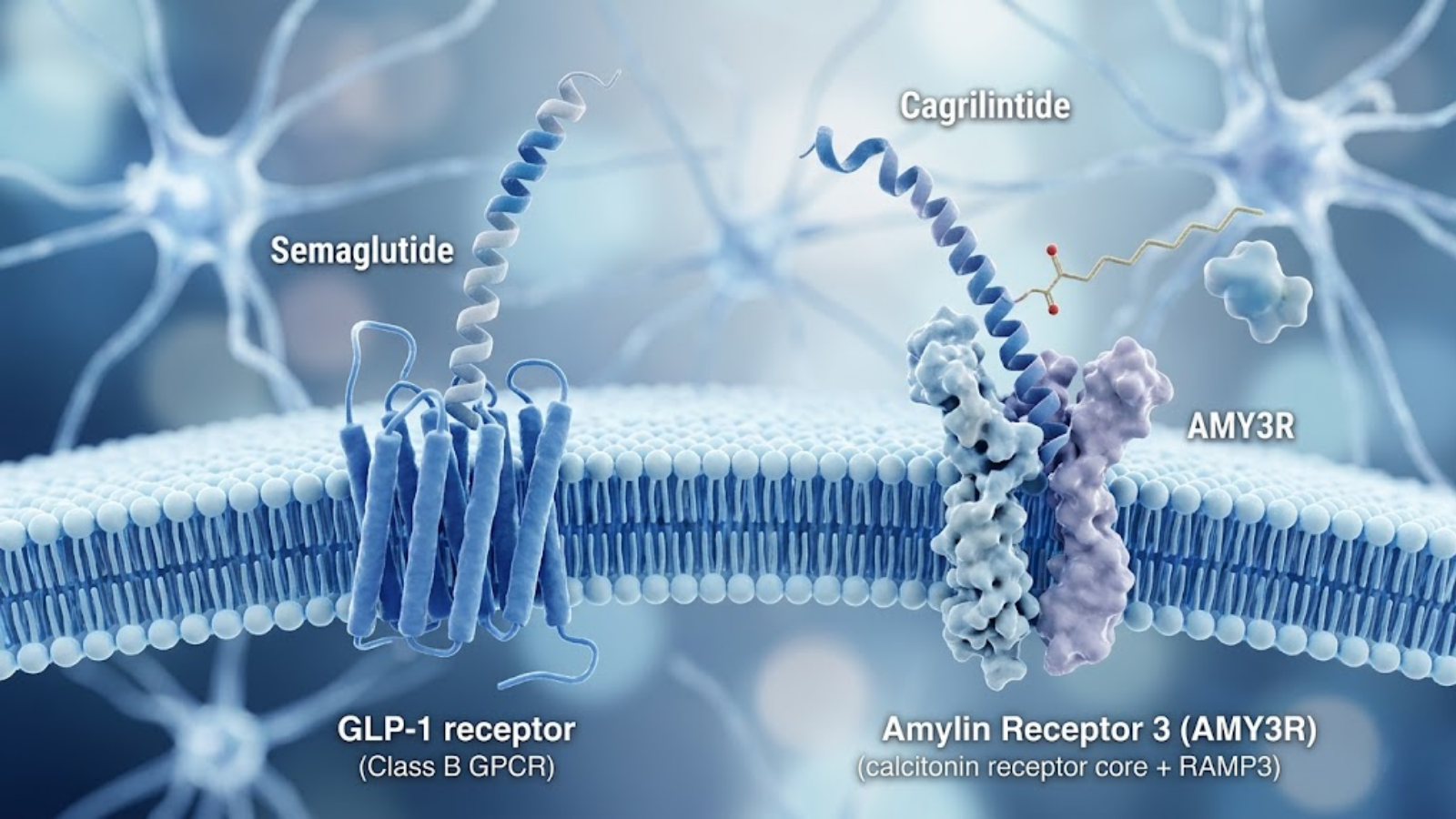
Figure 1: Understanding the molecular evolution and impact of metabolic peptides on the human body.
2. Cagrilintide: The Amylin Analog Breakthrough
Mechanism of Action
Unlike GLP-1 receptor agonists, Cagrilintide operates through a distinct pathway. It acts as a long-acting amylin analog. Amylin is a hormone co-secreted with insulin by the pancreatic beta cells in response to food intake.
By activating the amylin and calcitonin receptors, Cagrilintide works centrally in the brain to induce a strong sense of satiety. It effectively delays gastric emptying and suppresses postprandial glucagon secretion without directly impacting insulin levels in the same manner as a GLP-1.

Figure 2: The biochemical pathway and receptor interaction of the Amylin analog, Cagrilintide.
3. The Power of Synergy: Cagrilintide & Semaglutide
While standalone therapies are highly effective, the frontier of metabolic research lies in combination therapies. The pairing of an amylin analog with a GLP-1 receptor agonist represents a dual-pronged approach to weight management.
The Cagrilintide and Semaglutide blend targets multiple physiological pathways simultaneously. Semaglutide amplifies insulin secretion and lowers blood sugar, while Cagrilintide aggressively targets the brain’s satiety centers. Clinical research indicates that this combination may yield synergistic effects that surpass the efficacy of either peptide administered alone, providing a comprehensive metabolic reset.
4. Tirzepatide: The Dual-Action Agonist
GIP and GLP-1 Co-Activation
Moving beyond single-receptor targeting, Tirzepatide is a revolutionary “twincretin.” It functions as a dual agonist, binding to both the Gastric Inhibitory Polypeptide (GIP) and Glucagon-Like Peptide-1 (GLP-1) receptors.
The addition of GIP receptor agonism enhances the metabolic benefits of GLP-1. It significantly improves lipid metabolism, promotes adipose tissue health, and reduces ectopic fat deposition. This dual-action mechanism has made Tirzepatide one of the most rigorously studied and highly regarded peptides in contemporary weight management protocols.
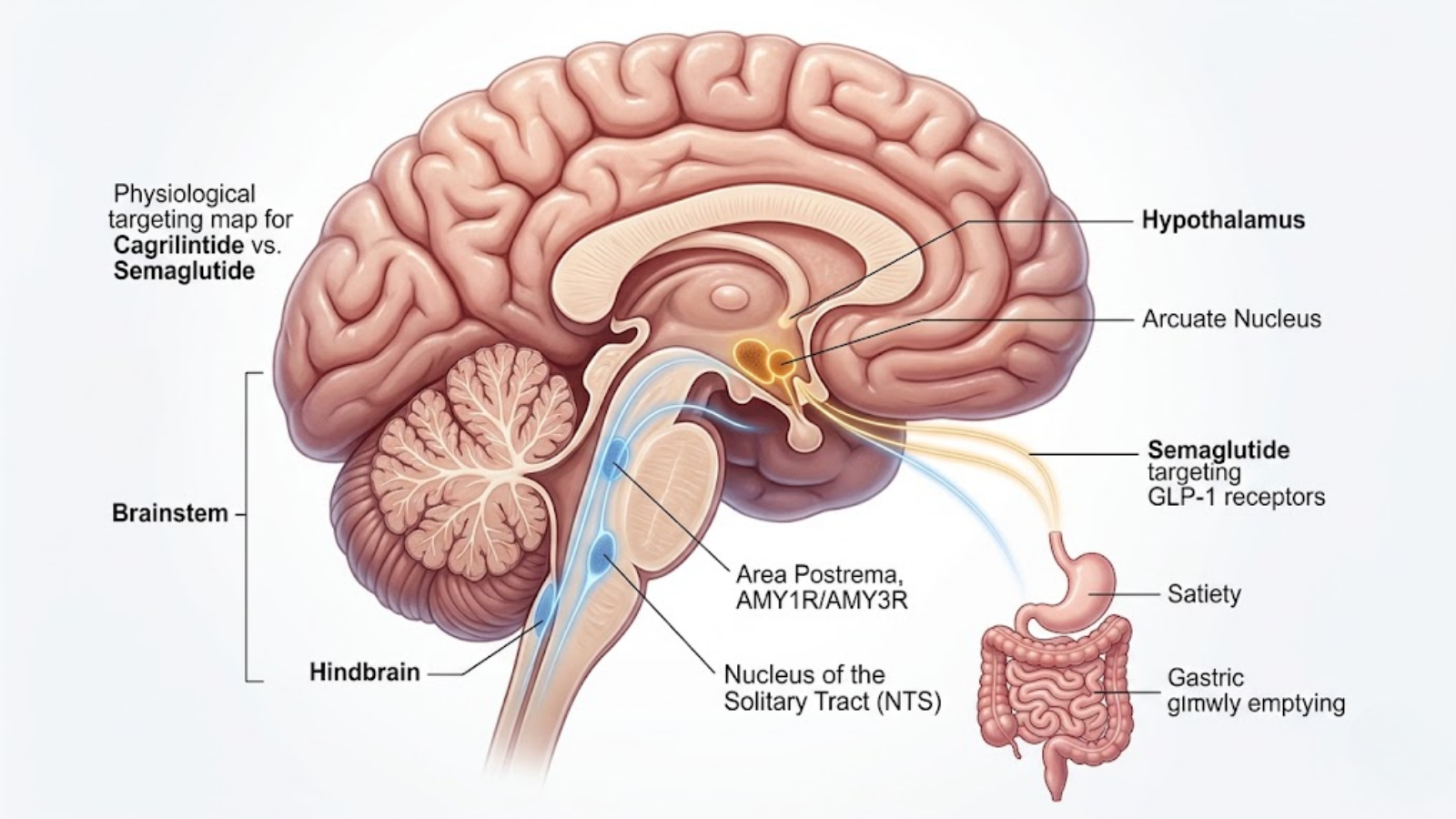
Figure 3: Mapping the dual-receptor activation of GIP and GLP-1 by Tirzepatide.
5. Hexarelin Acetate: Growth Hormone Secretagogues
Muscle Preservation During Fat Loss
A significant challenge during intensive weight loss is the preservation of lean muscle mass. This is where Growth Hormone Secretagogues (GHS) play a vital role. Hexarelin Acetate is a potent synthetic hexapeptide that stimulates the release of growth hormone from the anterior pituitary gland.
Unlike incretin mimetics, Hexarelin binds to the ghrelin receptor. Its primary benefit in a weight loss context is its powerful ability to promote lipolysis (fat breakdown) while simultaneously signaling the body to retain and repair muscle tissue. This ensures that the weight lost is primarily adipose tissue, maintaining metabolic rate and physical strength.

Figure 4: The role of Hexarelin Acetate in stimulating GH release and preserving lean tissue.