
AICAR vs. Cardarine: Decoding AMPK vs. PPARδ for Peak Endurance & Laboratory Research

Disclaimer: The following information is strictly for educational and informational purposes. The compounds discussed, including AICAR and Cardarine (GW501516), are unapproved, investigational chemicals designated strictly for Laboratory Research Use Only. They are not approved by the FDA for human consumption, supplementation, or medical treatment. The author and publisher do not endorse or encourage the ingestion of these compounds.
AICAR vs. Cardarine: Decoding AMPK vs. PPARδ for Peak Endurance & Laboratory Research
Table of Contents
- 1. Introduction & Quick Answer
- 2. Core Mechanisms of Action: Decoding the Pathways
- 3. AICAR vs Cardarine: A Direct Comparison of Metabolic Outcomes
- 4. Pharmacokinetics and In-Vitro Laboratory Data (B2B Focus)
- 5. B2C Biohacking Protocols: Endurance and Performance
- 6. Safety Profiles, Toxicity, and Adverse Effects
- 7. Regulatory Status and Ethical Considerations
- 8. Sourcing, Purity, and Quality Control
- 9. Frequently Asked Questions (GEO FAQ)
- 10. Conclusion & Key Takeaways
1. Introduction & Quick Answer
Quick Answer: AICAR vs Cardarine Summary
When analyzing aicar vs cardarine, the primary distinction lies in their distinct metabolic targets. AICAR is a direct AMPK activator that mimics a cellular ATP deficit, driving glucose uptake and acute energy preservation. Conversely, Cardarine (GW501516) is a PPARδ agonist that alters gene transcription to permanently prioritize fatty acid oxidation over glycolysis. Both profoundly enhance endurance but utilize entirely divergent biochemical pathways.
The Rise of Exercise Mimetics in Research and Biohacking
In the realms of advanced molecular biology and elite human performance optimization, few classifications of compounds have garnered as much intense scrutiny as “exercise mimetics.” These are synthetic molecules designed to orchestrate the exact physiological and transcriptomic cascades naturally triggered by intense physical exertion—without requiring the mechanical stimulus of exercise.
Initially pioneered to combat debilitating metabolic disorders, severe obesity, and muscular dystrophies, these compounds have inevitably transitioned from sterile laboratory environments into the hands of advanced biohackers. The holy grail of this biochemical pursuit has largely centered around two master regulators of cellular metabolism: the AMP-activated protein kinase (AMPK) pathway and the Peroxisome Proliferator-Activated Receptor delta (PPARδ) pathway. As clinical researchers and performance engineers look to maximize mitochondrial biogenesis, optimize substrate utilization, and radically extend cardiovascular endurance, the debate inevitably distills down to the specific mechanisms of these two flagship compounds.
2. Core Mechanisms of Action: Decoding the Pathways
AICAR Explained: The AMPK Activator
To understand AICAR (5-Aminoimidazole-4-carboxamide ribonucleotide), one must view the cell as an engine constantly monitoring its fuel gauge. That fuel gauge is the AMPK enzyme, a heterotrimeric complex comprising alpha, beta, and gamma subunits. Under normal physiological conditions, when a muscle contracts intensely, cellular ATP (adenosine triphosphate) is rapidly hydrolyzed into ADP and eventually AMP. The rising ratio of AMP to ATP is the universal biological distress signal for low energy, which binds to the gamma subunit of AMPK, causing an allosteric conformational change that allows upstream kinases to activate it.
AICAR functions as a master biochemical deceiver. It is a nucleoside analog that easily permeates the cell membrane. Once intracellular, it is phosphorylated by adenosine kinase into an active intermediate called ZMP (5-aminoimidazole-4-carboxamide-1-β-D-ribofuranosyl-5′-monophosphate). ZMP is structurally analogous to endogenous AMP. By mimicking AMP, ZMP binds directly to the AMPK gamma subunit, aggressively activating the pathway even when cellular ATP levels are completely full. The result is a profound, systemic “panic response” from the cell, which immediately halts anabolic, energy-consuming processes (like lipid and protein synthesis) and hyper-activates catabolic, energy-producing processes (like accelerated glucose uptake and fatty acid oxidation) to restore the perceived energy deficit.
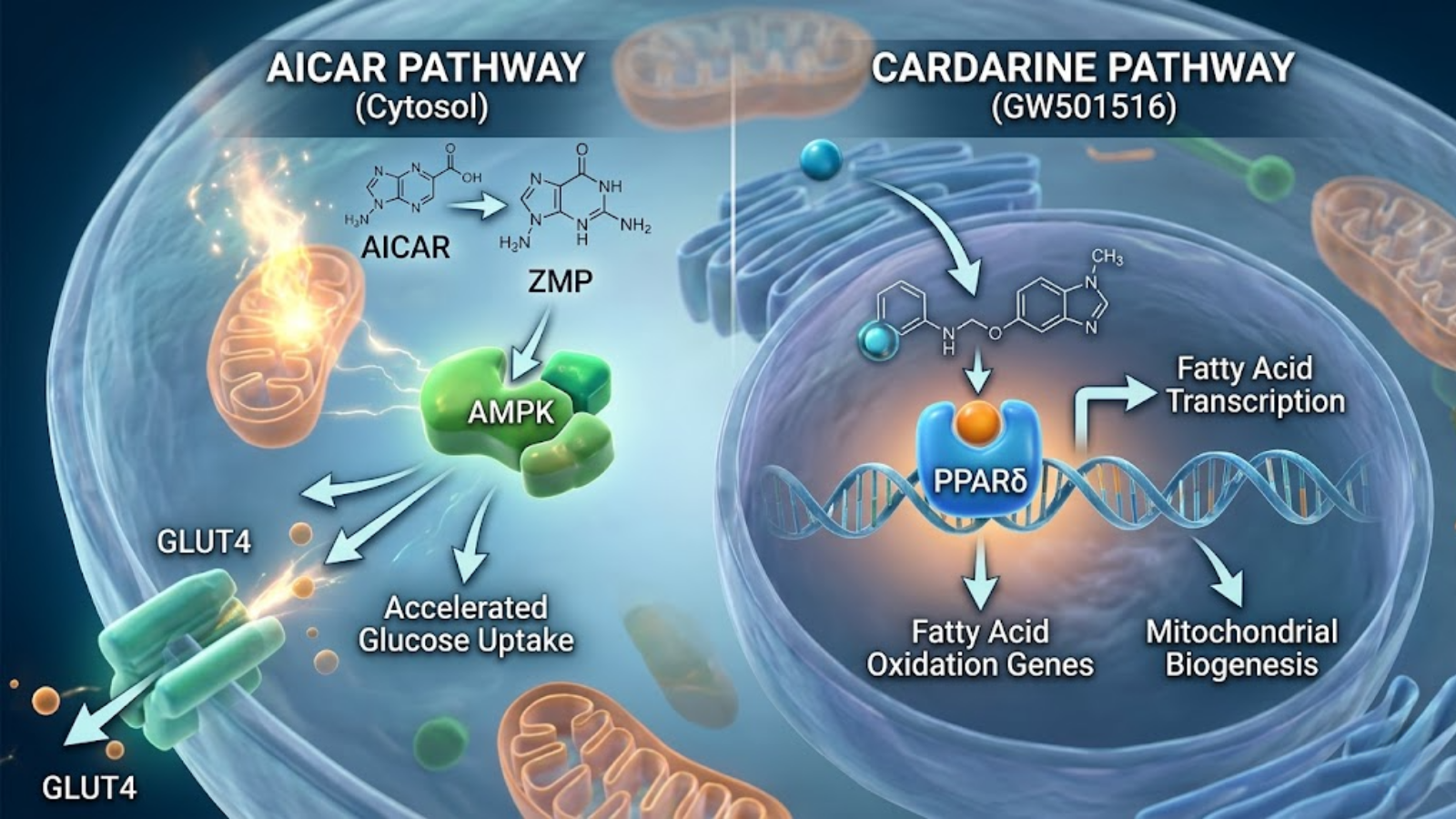
Figure 1: Molecular contrast between the cytosol-based AMPK activation of AICAR and the nucleus-based PPARδ gene transcription of Cardarine.
Cardarine (GW501516) Explained: The PPARδ Agonist
While AICAR operates via the immediate allosteric modulation of a cellular kinase, Cardarine (GW501516) operates fundamentally differently by penetrating the nucleus and altering the actual genetic blueprint of energy metabolism. Cardarine is a highly selective agonist of PPARδ, a nuclear hormone receptor densely expressed in skeletal muscle, adipose tissue, and the liver.
When Cardarine binds to the PPARδ receptor, it induces a conformational change that facilitates the recruitment of critical coactivators, most notably PGC-1α (Peroxisome proliferator-activated receptor-gamma coactivator). This active transcription complex then binds to specific response elements on cellular DNA, drastically upregulating the expression of genes involved in lipid transport and metabolism. Specifically, it increases the transcription of Carnitine palmitoyltransferase I (CPT-1), the enzyme responsible for shuttling fatty acids into the mitochondria, and Pyruvate dehydrogenase kinase 4 (PDK4). The upregulation of PDK4 is critical; it actively inhibits the pyruvate dehydrogenase complex, effectively shutting the door on carbohydrate (glucose) metabolism. Consequently, the organism is forced to prioritize its vast adipose tissue stores as its primary substrate for ATP production.
3. AICAR vs Cardarine: A Direct Comparison of Metabolic Outcomes
Energy Substrate Utilization: Glucose vs. Lipids
The most clinically significant difference when comparing aicar vs cardarine in a laboratory setting is their respective impact on substrate partitioning. While both compounds yield a net increase in available cellular energy, they dictate entirely different fuel sources.
AICAR acutely increases the translocation of GLUT4 transporters to the cell membrane in skeletal muscle independently of insulin. This means AICAR acts as a powerful nutrient-partitioning agent, vacuuming glucose out of the bloodstream to be used immediately for ATP replenishment.
Cardarine, on the other hand, actively suppresses glycolysis. By upregulating PDK4, Cardarine initiates a systemic “glucose-sparing” effect. The body preserves its limited muscle and hepatic glycogen stores and shifts almost entirely to β-oxidation of long-chain fatty acids. This explains why Cardarine is the superior compound for fat loss and extended, steady-state cardiovascular endurance, whereas AICAR excels in acute scenarios where rapid ATP turnover is required.
| Metabolic Variable | AICAR (AMPK Activation) | Cardarine (PPARδ Agonism) |
|---|---|---|
| Primary Fuel Source | Glucose / Carbohydrates | Free Fatty Acids / Lipids |
| GLUT4 Translocation | Significantly Increased | Minimally Affected |
| PDK4 Expression | Mildly Upregulated | Drastically Upregulated |
| Lipid Oxidation Rate | Moderate Increase | Extreme Increase |
| Glycogen Depletion | Accelerated (if working out) | Severely Blunted (Glycogen Sparing) |
Muscle Fiber Type Remodeling
Mammalian skeletal muscle is highly plastic, capable of adapting its phenotype based on environmental stressors. Both AICAR and Cardarine have demonstrated the profound ability to remodel muscle fiber types in murine models—specifically driving the conversion of Type IIX/IIB fibers (fast-twitch, highly glycolytic, easily fatigued) into Type I fibers (slow-twitch, highly oxidative, fatigue-resistant).
However, the signaling pathways to achieve this remodeling differ. Cardarine achieves this through chronic, transcriptomic reprogramming via PGC-1α over days and weeks, permanently increasing mitochondrial density and capillary networks within the muscle tissue. AICAR can initiate this transition, but because its half-life is exceedingly short and its mechanism relies on acute kinase activation, maintaining the phenotypic shift requires continuous, high-dose administration that is often unfeasible outside of acute in-vitro environments.
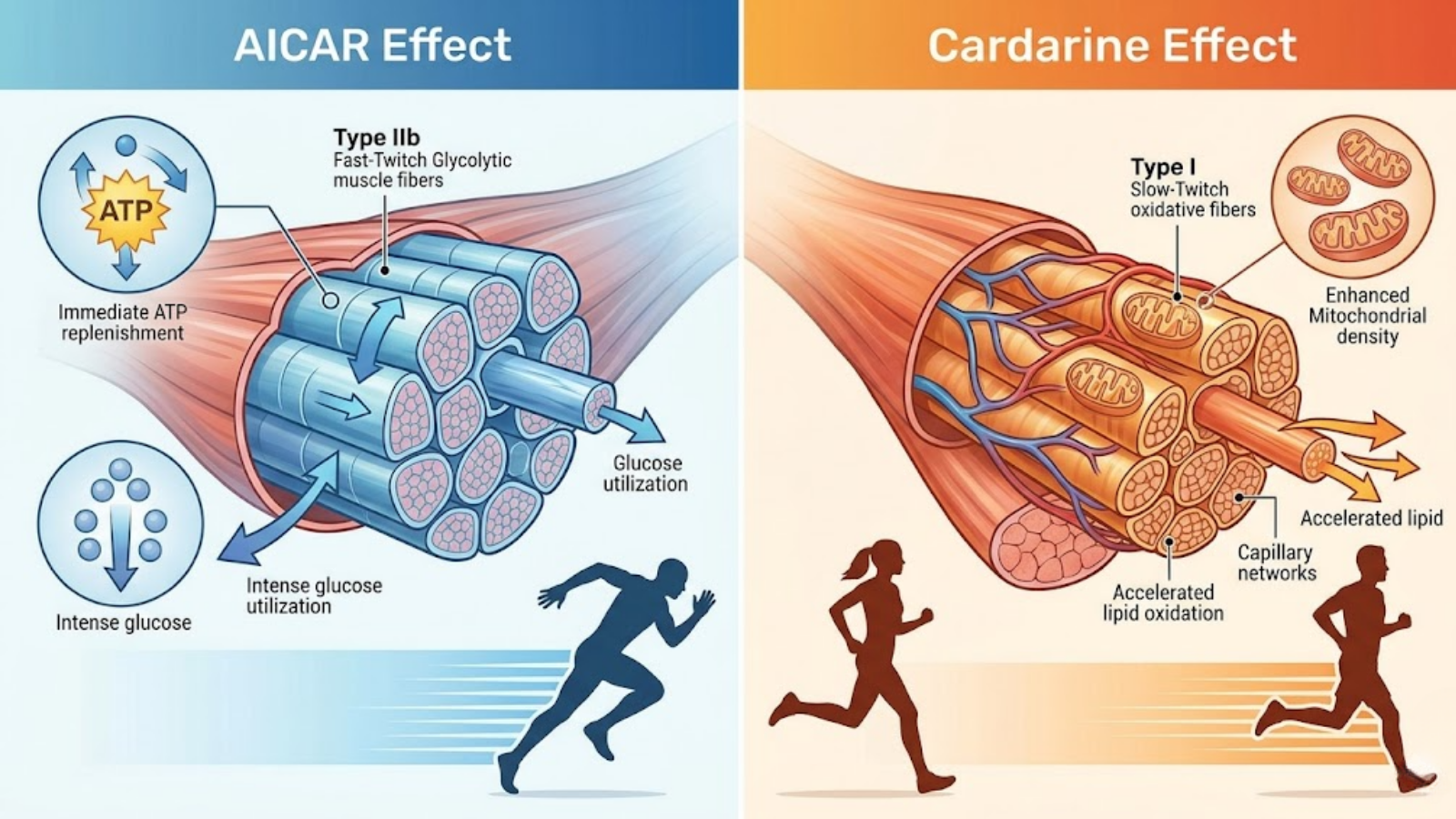
Figure 2: Physiological targeting map illustrating the metabolic fuel shift and muscle fiber remodeling from Type IIb Fast-Twitch (AICAR) to Type I Slow-Twitch Oxidative (Cardarine).
4. Pharmacokinetics and In-Vitro Laboratory Data (B2B Focus)
Half-Life and Molecular Stability in Solution
For wholesale pharmaceutical suppliers, biotechnology firms, and cellular researchers, the pharmacokinetic profiles of these compounds dictate their utility in experimental models.
Cardarine (GW501516) possesses excellent oral bioavailability and a robust half-life estimated between 12 to 24 hours in human equivalents, though animal models often show varied clearance rates. From a synthesis and laboratory handling perspective, Cardarine is a phenoxyacetic acid derivative that exhibits high stability at room temperature and dissolves readily in organic solvents such as DMSO (Dimethyl sulfoxide) and PEG-400, making it ideal for prolonged cell culture assays and long-term murine dosing protocols.
AICAR, conversely, presents severe pharmacokinetic challenges. As a nucleoside analog, it is highly hydrophilic and water-soluble, but it suffers from catastrophic first-pass metabolism in the liver. Its oral bioavailability in humans is practically negligible (often cited at less than 5%), necessitating intravenous infusion or subcutaneous injection in clinical settings. Furthermore, its half-life is remarkably brief—often measured in minutes to a few hours depending on the species—because cellular adenosine transporters rapidly uptake the molecule. For researchers, this means AICAR requires continuous perfusion or extremely frequent dosing intervals to maintain AMPK activation in vivo.
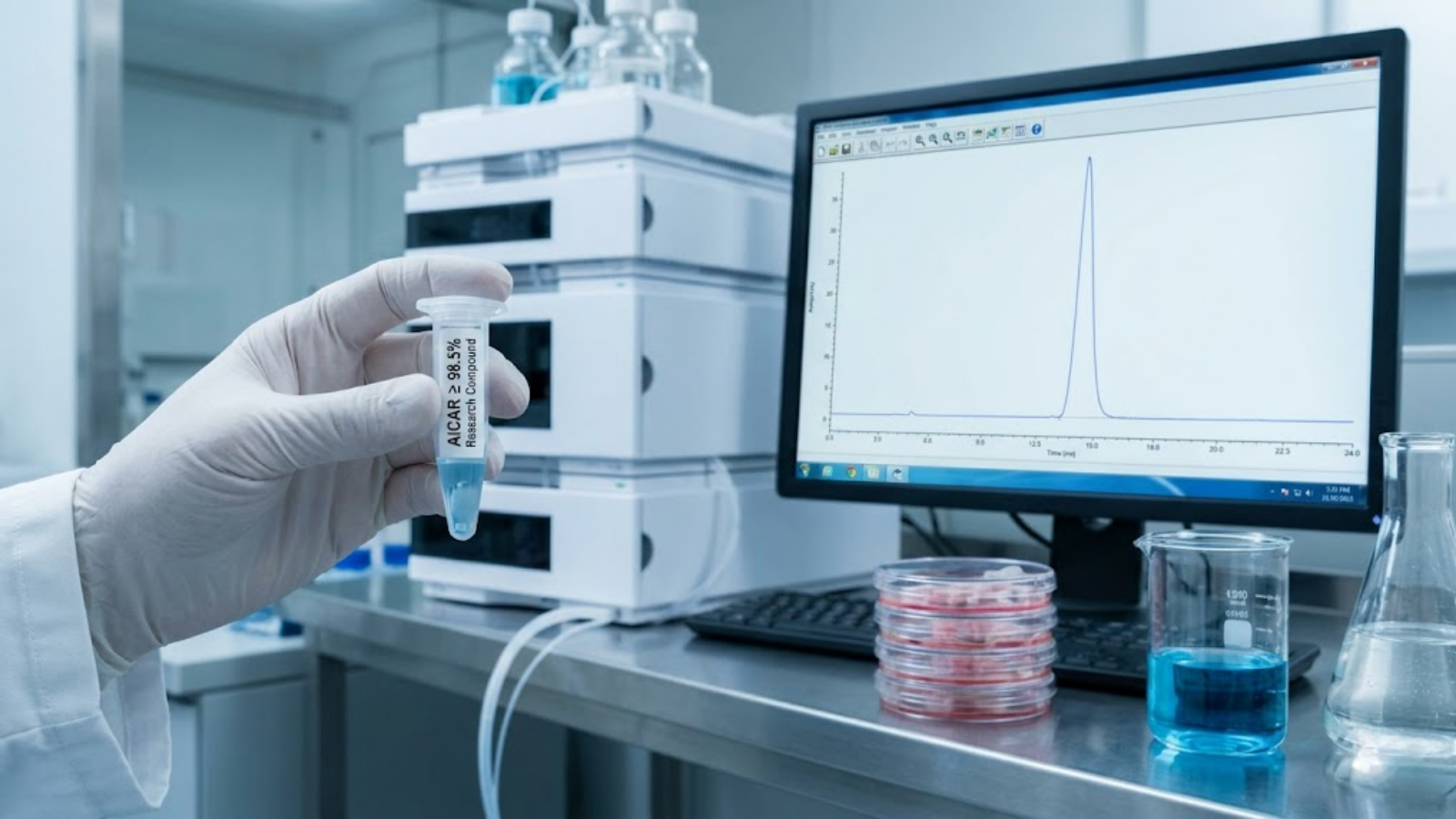
Figure 3: Professional laboratory research setting highlighting HPLC purity testing and MS data analysis critical for verifying research chemicals.
Synergism with Other Pathways in Tissue Engineering
In advanced tissue engineering and cellular senescence models, AICAR is heavily utilized for its downstream effects on the mechanistic target of rapamycin (mTOR). Because AMPK activation inherently signals an energy deficit, AICAR potently inhibits mTORC1, effectively arresting cellular proliferation and inducing deep states of autophagy. This makes it an invaluable tool for researchers studying anti-aging pathways and cellular debris clearance.
Cardarine is heavily favored in cardiovascular tissue engineering and endothelial dysfunction models. Because PPARδ agonism strongly influences lipid efflux and reduces vascular inflammation, researchers utilize GW501516 to model atherosclerosis regression and stimulate angiogenesis (the formation of new blood vessels) in ischemic tissue cultures.
5. B2C Biohacking Protocols: Endurance and Performance
Cardarine for Extreme Cardiovascular Endurance and Fat Loss
In the decentralized sphere of advanced biohacking, Cardarine is widely regarded as the ultimate endurance-enhancing agent. Because it literally forces skeletal muscle to burn fat for fuel while simultaneously sparing glycogen, athletes engaged in ultra-endurance events—marathons, triathlons, and high-level mixed martial arts—often deploy it to shatter their previous VO2 max limits.
The physiological sensation commonly reported in anecdotal logs is a profound delay in the onset of cardiovascular fatigue, often described as “having a third lung.” By preventing the rapid depletion of muscle glycogen, lactic acid accumulation is significantly delayed. Furthermore, because it drastically upregulates lipid oxidation, Cardarine is utilized heavily during aggressive caloric deficits to strip away stubborn visceral and subcutaneous fat while preserving muscle mass, acting as a highly efficient body recomposition agent.
AICAR for ATP Preservation and Anti-Catabolic Effects
While Cardarine is the king of aerobic capacity, AICAR finds its niche in anaerobic preservation and acute anti-catabolism. Historically made infamous by doping scandals in professional cycling (most notably during the Tour de France), AICAR is utilized by athletes who are already operating at the absolute razor’s edge of overtraining.
Because AICAR forces glucose into the muscle tissue and tricks the body into upregulating mitochondrial efficiency, it is used to maintain peak power output in states of extreme physical exhaustion. Biohackers typically reserve AICAR for the final stages of rigorous contest preparations or multi-day athletic events. However, due to its poor oral bioavailability, massive cost, and the necessity for injection, it remains a highly exclusive compound utilized only by the most advanced, uncompromising biohackers.
Advanced Stacking Protocols: Synergistic or Redundant?
A prevalent question within biohacking circles is the efficacy of deploying an aicar vs cardarine stack. The theoretical framework behind this stack is compelling: if AICAR directly activates the AMPK energy-sensing kinase upstream, and Cardarine directly upregulates the PPARδ transcription factors downstream, using both simultaneously should create an unmitigated, synergistic explosion in mitochondrial biogenesis and lipid oxidation.
While human clinical trials on this specific combination do not exist, murine data and biohacker empiricism suggest that the synergy is, in fact, incredibly potent. The AMPK activation from AICAR naturally increases the endogenous expression of PGC-1α, which provides more “material” for Cardarine’s PPARδ agonism to work with. However, this protocol is not without substantial risk and diminishing returns, as forcibly pushing cellular metabolism to such extremes can yield profound oxidative stress.
| Variable | Cardarine Protocol Focus | AICAR Protocol Focus | Stacking Viability |
|---|---|---|---|
| Administration Route | Oral (Liquid suspension or capsule) | Subcutaneous or Intravenous injection | Highly complex; requires mixed administration |
| Dosing Frequency | Once to twice daily | Multiple times daily (due to short half-life) | Difficult to time for peak synergistic effect |
| Primary Goal | VO2 Max increase, profound lipid oxidation | Acute glycogen loading, ATP preservation | Extreme endurance, rapid body recomposition |
| Cost & Accessibility | Highly accessible, cost-effective | Extremely expensive, highly faked market | Prohibitively expensive for most users |

Figure 4: Conceptual flat lay illustrating advanced biohacking optimization protocols, emphasizing the “Research Chemicals” designation.
6. Safety Profiles, Toxicity, and Adverse Effects
When evaluating aicar vs cardarine from a toxicological standpoint, researchers must separate acute physiological stress from chronic, transcriptomic disruption. Because these compounds fundamentally alter the master switches of cellular metabolism, their adverse effect profiles are severe and warrant meticulous scrutiny.
Cardarine and the Carcinogenesis Controversy
The most critical safety concern surrounding Cardarine (GW501516) is its deeply documented association with rapid carcinogenesis in animal models. The development of Cardarine was abruptly halted by GlaxoSmithKline (GSK) in 2007 after long-term Wistar rat studies revealed hyperplastic and neoplastic changes across multiple organ systems, including the liver, stomach, thyroid, and testes.
Within the biohacking community, a persistent narrative claims that these animal studies utilized mathematically absurd dosages that do not translate to human use. As a clinical biochemist, it is necessary to correct this misconception by applying the allometric scaling required to determine the Human Equivalent Dose (HED). The rat studies administered dosages ranging from 3 mg/kg to 30 mg/kg per day for 104 weeks (virtually the entire lifespan of the animal). Using the standard FDA body surface area conversion factor, a 3 mg/kg dose in a rat equates to roughly 0.48 mg/kg in a human. For an 80 kg (176 lb) athlete, this translates to a daily dose of approximately 38 mg.
Considering that advanced biohacking protocols frequently recommend 10 to 20 mg of Cardarine per day, the baseline cancer-causing dose in rats is merely double the standard biohacking dose, not exponentially higher as commonly stated. The sustained, chronic upregulation of PPARδ promotes profound cellular proliferation and angiogenesis. While angiogenesis is beneficial for building cardiovascular endurance, it simultaneously provides the vascular infrastructure necessary for microscopic, dormant tumors to aggressively vascularize and grow. Therefore, the oncogenic risk of GW501516 is a legitimate, dose- and duration-dependent pharmacological reality.
AICAR Side Effects: Purine Metabolism and Lactic Acidosis
Because AICAR does not alter gene transcription in the permanent manner of Cardarine, its side effect profile is largely acute and tied to metabolic overwhelm. The most prominent physiological danger of AICAR administration involves the purine salvage and degradation pathways.
AICAR (and its active intracellular metabolite, ZMP) is structurally an analog of AMP. When the body breaks down excessive amounts of AMP-like molecules, the purine degradation pathway is hyper-activated. The nucleosides are converted into inosine, then hypoxanthine, xanthine, and ultimately uric acid. High-dose or continuous intravenous administration of AICAR rapidly elevates serum uric acid levels, leading to severe hyperuricemia. In clinical environments, this can trigger acute gouty arthritis and precipitate uric acid crystals in the kidneys, leading to nephropathy and potential renal failure.
Furthermore, by forcefully shifting the cell to maximize ATP production, AICAR accelerates the glycolytic flux. If the cardiovascular system cannot supply sufficient oxygen to match this biochemically forced metabolic rate, the cells default to anaerobic glycolysis, resulting in the rapid accumulation of lactate. This can induce a state of severe lactic acidosis, marked by plunging blood pH, respiratory distress, and muscular failure.
7. Regulatory Status and Ethical Considerations
The WADA Prohibited List and Sports Doping
Both AICAR and Cardarine occupy a prominent position on the World Anti-Doping Agency (WADA) Prohibited List under “S4: Hormone and Metabolic Modulators.” Their ban is absolute, covering both in-competition and out-of-competition testing.
The ethical implications of these compounds in sports cannot be overstated. They represent the frontier of “pharmacological gene-doping.” Unlike classical anabolic androgenic steroids (AAS), which merely increase muscle protein synthesis, exercise mimetics fundamentally alter the athlete’s metabolic engine, creating an uneven playing field in endurance sports that no amount of natural training can overcome. Testing protocols for both compounds are highly advanced; specialized mass spectrometry can detect GW501516 metabolites for up to 40 days post-administration, while AICAR detection relies on complex carbon isotope ratio testing to distinguish synthetic exogenous AICAR from the endogenous AICAR naturally produced by the human body.
FDA Stance and “Research Chemicals” Designation
Neither AICAR nor Cardarine holds approval from the United States Food and Drug Administration (FDA) for the treatment of any human disease. They remain classified as investigational new drugs (INDs) whose clinical trials have been largely abandoned. Consequently, they exist in a legal gray area, manufactured and sold purely as “Research Chemicals” not for human consumption. The FDA has issued multiple warning letters to biotech firms and compounding pharmacies attempting to commercialize these compounds for dietary supplementation, emphasizing their severe toxicity profiles and lack of established safety data.
8. Sourcing, Purity, and Quality Control (B2B & B2C)
For B2B laboratory researchers and cautious B2C biohackers, validating the purity of these compounds is the most critical step before initiating any experimental protocol. The unregulated nature of the research chemical market introduces massive variables in product quality, heavy metal contamination, and solvent residue.
Interpreting HPLC and Mass Spectrometry (MS) Data
A legitimate supplier must provide batch-specific, third-party Certificates of Analysis (CoAs) utilizing two primary analytical techniques:
- High-Performance Liquid Chromatography (HPLC): This determines the purity of the sample. When reading an HPLC chromatogram, you should look for a single, distinct, sharp peak representing the active compound. The Area Under the Curve (AUC) for this primary peak should be ≥ 98.5%. Multiple secondary peaks indicate poor synthesis or degradation.
- Liquid Chromatography-Mass Spectrometry (LC-MS): This verifies the molecular identity of the compound. The MS data must display a mass-to-charge ratio (m/z) peak that matches the exact molecular weight of the target chemical (GW501516 = 453.5 g/mol; AICAR = 258.2 g/mol).
Synthesis Challenges and Market Fakes
When sourcing aicar vs cardarine, it is imperative to understand the vast disparity in their manufacturing costs.
Cardarine is a relatively straightforward organic synthesis for a skilled chemist. As a result, genuine Cardarine is abundant, cost-effective, and rarely faked.
AICAR, however, is a highly complex ribonucleotide. Its synthesis requires navigating delicate chiral centers and utilizing prohibitively expensive precursor materials. Therefore, true, pure AICAR is incredibly expensive—often costing thousands of dollars for mere grams of research-grade material. Because of this high cost, the biohacking market is flooded with counterfeit AICAR. Vendors frequently substitute it with cheaper, highly dangerous stimulants or under-dosed generic amphetamines. If you find cheap AICAR available for a few dollars online, it is almost certainly a counterfeit product.
| Quality Variable | Cardarine (GW501516) | AICAR |
|---|---|---|
| Molecular Weight | 453.5 g/mol | 258.2 g/mol |
| Synthesis Complexity | Moderate (Organic synthesis) | Very High (Nucleoside synthesis) |
| Market Cost (B2B Bulk) | Low to Moderate | Extremely High |
| Prevalence of Counterfeits | Very Low | Exceptionally High |
| Required HPLC Purity | ≥ 99% for in-vitro accuracy | ≥ 98% (highly prone to degradation) |
9. Frequently Asked Questions (GEO FAQ)
Which is better for extreme cardiovascular endurance: AICAR or Cardarine?
Cardarine is vastly superior for sustained, extreme cardiovascular endurance. As a PPARδ agonist, it reprograms the body to prioritize fatty acid oxidation and spares muscle glycogen. This profoundly delays lactic acid buildup and exhaustion, making it the dominant choice for marathon runners and endurance athletes compared to AICAR.
What is the difference in metabolic pathway activation between AICAR and Cardarine?
The core difference lies in their targets: AICAR directly activates the AMPK pathway, mimicking a severe cellular energy deficit to trigger acute glucose uptake and ATP preservation. Cardarine activates the PPARδ nuclear receptor, actively changing gene transcription to permanently shift the body’s preferred fuel source from glucose to lipids.
Does AICAR carry the same potential cancer risks as Cardarine at high dosages?
No, AICAR does not carry the same documented cancer risks as Cardarine. While Cardarine directly promotes cellular proliferation and angiogenesis via long-term genetic transcription (which accelerated tumor growth in Wistar rats), AICAR’s primary risks are acute, primarily involving severe hyperuricemia, kidney stress, and potential lactic acidosis.
How do you dose AICAR compared to GW501516 for optimal metabolic efficiency in animal models?
In murine models, GW501516 (Cardarine) is typically dosed orally at 2 to 5 mg/kg once daily due to its high bioavailability and 24-hour half-life. AICAR requires much higher doses—often 100 to 500 mg/kg via subcutaneous injection or continuous IV perfusion—because of its extremely short half-life and poor oral absorption.
Where can certified laboratories buy high-purity AICAR and Cardarine in bulk?
Certified laboratories and research institutions should strictly source bulk AICAR and Cardarine from highly vetted, B2B wholesale chemical synthesizer firms that supply clinical-grade reagents. Purchasing must be accompanied by batch-specific, independent HPLC and Mass Spectrometry (LC-MS) data ensuring ≥ 98.5% purity and the absence of solvent contaminants.
10. Conclusion & Key Takeaways
The Future of Exercise Mimetics in Biotech
The biochemical comparison of aicar vs cardarine represents the foundational chapter in the ongoing development of exercise mimetics. While both compounds possess undeniable, profound efficacy in radically altering mammalian endurance, substrate utilization, and mitochondrial density, their respective toxicity profiles have relegated them to the realm of non-human laboratory research and underground biohacking.
However, the pharmaceutical industry has not abandoned the pathways they target. Current biotech research is intensely focused on developing next-generation Selective PPAR Modulators (SPPARMs) and localized AMPK activators. The goal is to synthesize compounds that deliver the miraculous metabolic benefits of Cardarine and AICAR—such as reversing insulin resistance, rapidly burning visceral fat, and curing muscular dystrophy—while engineering out the oncogenic and metabolic toxicities that plague these first-generation molecules. Until those clinical trials are realized, AICAR and Cardarine remain powerful, yet deeply flawed, tools restricted strictly to rigorous academic research and the absolute extremes of human performance experimentation.
Key Takeaways
- Distinct Mechanisms: AICAR is an acute, direct activator of the AMPK energy-sensing kinase, while Cardarine (GW501516) is a PPARδ agonist that alters nuclear gene transcription.
- Fuel Substrate Shift: AICAR forcefully pulls glucose into the muscle cell for immediate ATP generation, whereas Cardarine exerts a powerful “glycogen sparing” effect, forcing the body to burn free fatty acids as its primary fuel.
- Endurance Supremacy: For sustained cardiovascular endurance and extreme fat loss, Cardarine is widely considered superior due to its long half-life, oral bioavailability, and dominant shift toward lipid oxidation.
- Toxicity Risks: Cardarine carries a highly documented, dose-dependent risk of accelerating carcinogenesis and tumor angiogenesis. AICAR carries acute risks of hyperuricemia, kidney toxicity, and lactic acidosis.
- Bioavailability: Cardarine is highly bioavailable orally. AICAR has abysmal oral bioavailability and requires subcutaneous or intravenous administration to achieve meaningful clinical effects.
- Market Realities: Due to the complex nature of ribonucleoside synthesis, genuine AICAR is prohibitively expensive and frequently faked. Cardarine is cheap to synthesize and widely available.
- Regulatory Status: Both compounds are strictly unapproved for human use by the FDA and are unequivocally banned in all competitive sports by WADA. They are legally available only as research chemicals for in-vitro and non-human in-vivo laboratory use.