
5-Amino-1MQ vs. MOTS-c: Clinical Mechanisms & Advanced Biohacking Efficacy Compared

Disclaimer: The following information is for educational and informational purposes only. The compounds discussed are strictly for laboratory research use and are not approved by the FDA for human consumption, diagnosis, treatment, or prevention of any disease.
Table of Contents
- 1. Executive Summary: The Quick Answer
- 2. Introduction: Evolution of Metabolic Optimization
- 3. Deep Dive into 5-Amino-1MQ
- 4. Deep Dive into MOTS-c
- 5. Head-to-Head Comparison
- 6. Clinical Data & Research (B2B Focus)
- 7. Advanced Biohacking Outcomes (B2C Focus)
- 8. Administration & Protocols
- 9. Synergistic Stacking Strategies
- 10. Safety Profiles & Side Effects
- 11. Sourcing and Purity
- 12. Frequently Asked Questions
- 13. Key Takeaways
1. Executive Summary: The Quick Answer
When comparing 5 amino 1mq vs mots c, the primary difference lies in their distinct mechanisms of action. 5-Amino-1MQ is an oral small molecule that inhibits the NNMT enzyme to reduce fat storage and elevate systemic NAD+. Conversely, MOTS-c is an injectable mitochondrial-derived peptide that activates AMPK, mimicking the metabolic effects of exercise and enhancing insulin sensitivity in skeletal muscle tissue.
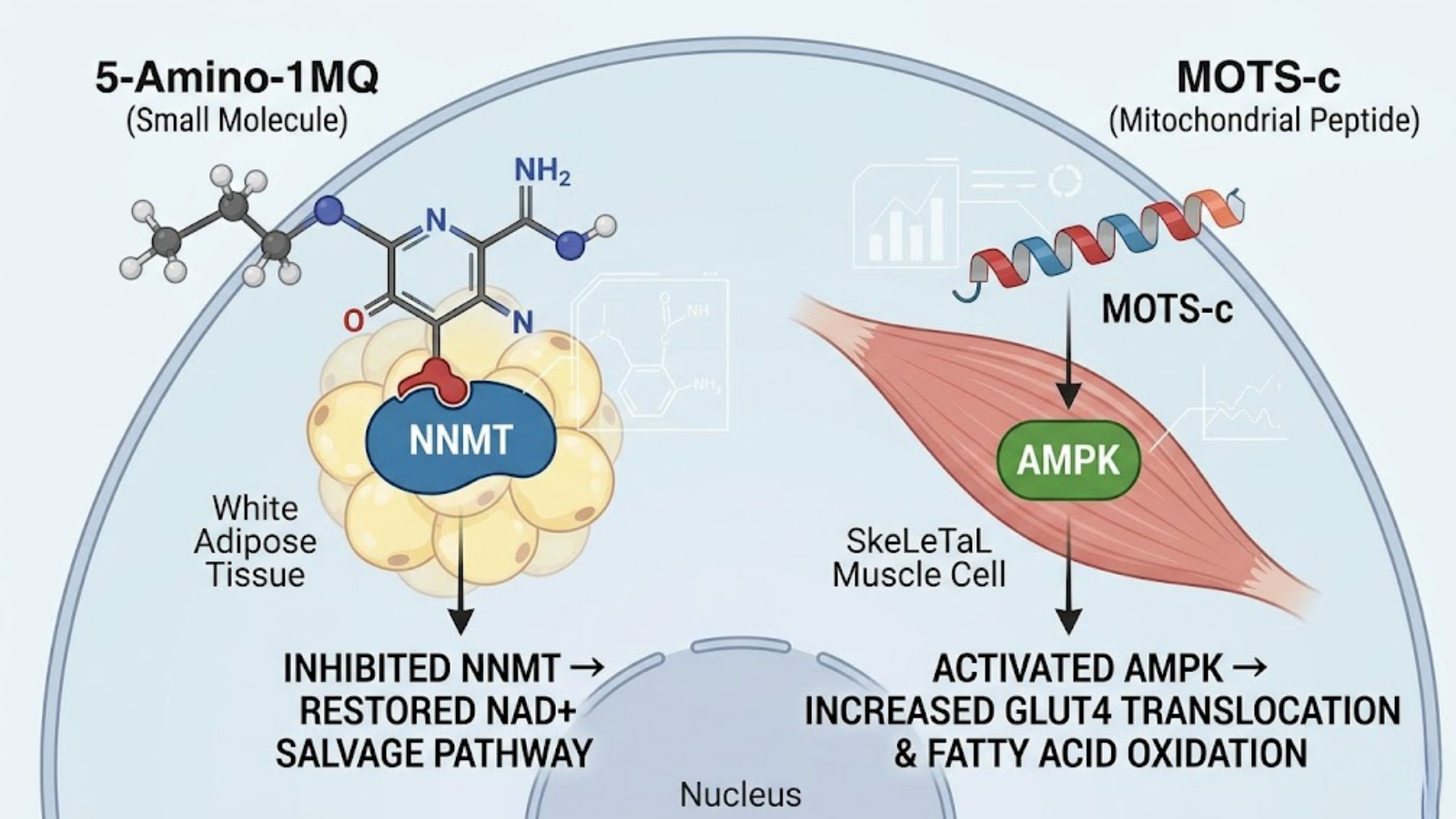
Figure 1: Conceptual visualization of NNMT inhibition vs. AMPK activation pathways.
2. Introduction: The Evolution of Metabolic Optimization
The Shift from Stimulants to Cellular Optimizers
For decades, the pursuit of metabolic enhancement has relied heavily on central nervous system (CNS) stimulants like ephedrine or clenbuterol. Modern biotechnology has ushered in a paradigm shift: targeting metabolic dysfunction at the absolute root—the cellular and mitochondrial level. Instead of artificially stimulating the nervous system, researchers are isolating compounds that alter gene expression and reprogram how the body partitions nutrients.
Article Scope
In the vanguard are 5-Amino-1MQ and MOTS-c. While both are researched for their ability to reverse obesity and improve metabolic flexibility, they operate through entirely distinct biochemical pathways. This guide breaks down the clinical mechanisms and real-world efficacy for both laboratory researchers and advanced biohackers.
3. Deep Dive into 5-Amino-1MQ: Decoding NNMT Inhibition
What is 5-Amino-1MQ?
5-Amino-1-methylquinolinium (5-Amino-1MQ) is a membrane-permeable small molecule. Unlike peptides, its structure allows it to survive the GI tract, making it orally active. It was developed specifically to inhibit the NNMT enzyme, a known bottleneck in fat metabolism.
The Role of the NNMT Enzyme
NNMT is primarily responsible for methylating nicotinamide (NAM). Overexpression of NNMT in fat tissue creates a metabolic “sink,” draining precursors needed for NAD+ synthesis and depleting methyl donors like SAM. This leads to a slowed metabolism and efficient fat storage.
NAD+ Salvage Pathway Rescue
By blocking NNMT, 5-Amino-1MQ forces the cell to funnel nicotinamide back into the NAD+ Salvage Pathway. This increases localized NAD+ in fat cells and upregulates the basal metabolic rate, causing adipocytes to shrink even without caloric restriction.
4. Deep Dive into MOTS-c: The Exercise-Mimicking Peptide
What is MOTS-c?
MOTS-c is a 16-amino acid peptide encoded by the mitochondrial genome. It functions as a signaling molecule that facilitates “retrograde signaling” between the mitochondria and the nucleus to alter gene expression.
The AMPK Activation Pathway
MOTS-c acts as a master regulator by activating AMPK (the cell’s energy sensor). This flips the metabolic switch from storing energy to breaking down fatty acids via beta-oxidation, effectively mimicking the physiological state of intense cardiovascular exercise.
Skeletal Muscle Targeting
MOTS-c primarily targets skeletal muscle, triggering the translocation of GLUT4 to the cell membrane. This shuttles glucose out of the blood and into muscle tissue independently of insulin, profoundly improving systemic sensitivity.

Figure 2: Comparative clinical efficacy data visualizing body fat reduction over time.
5. Head-to-Head: 5 Amino 1MQ vs MOTS c Mechanisms
When researchers evaluate 5 amino 1mq vs mots c, they are looking at two highly complementary but distinctly different biochemical tools. One prevents metabolic slowdown in fat cells, while the other drives energy burning in muscle tissue.
| Clinical Attribute | 5-Amino-1MQ | MOTS-c |
|---|---|---|
| Molecular Class | Small Molecule | Mitochondrial Peptide |
| Primary Target | White Adipose Tissue (WAT) | Skeletal Muscle |
| Enzyme Target | NNMT Inhibitor | AMPK Activator |
| Administration | Oral | Subcutaneous Injection |
6. Clinical Data & Research (B2B Focus)
5-Amino-1MQ in Anti-Obesity Models
In murine models, 5-Amino-1MQ administration resulted in a 7% reduction in body weight and a 30% reduction in white adipocyte volume over just 11 days, without reducing food intake. Because it does not cross the blood-brain barrier significantly, it avoids central nervous system side effects.
MOTS-c and Longevity
MOTS-c has demonstrated the ability to reverse age-dependent insulin resistance. It suppresses the folate cycle, mimicking adaptations seen under caloric restriction. For researchers, its thermal sensitivity means it requires a cold chain for stability, unlike the more stable 5-Amino-1MQ.
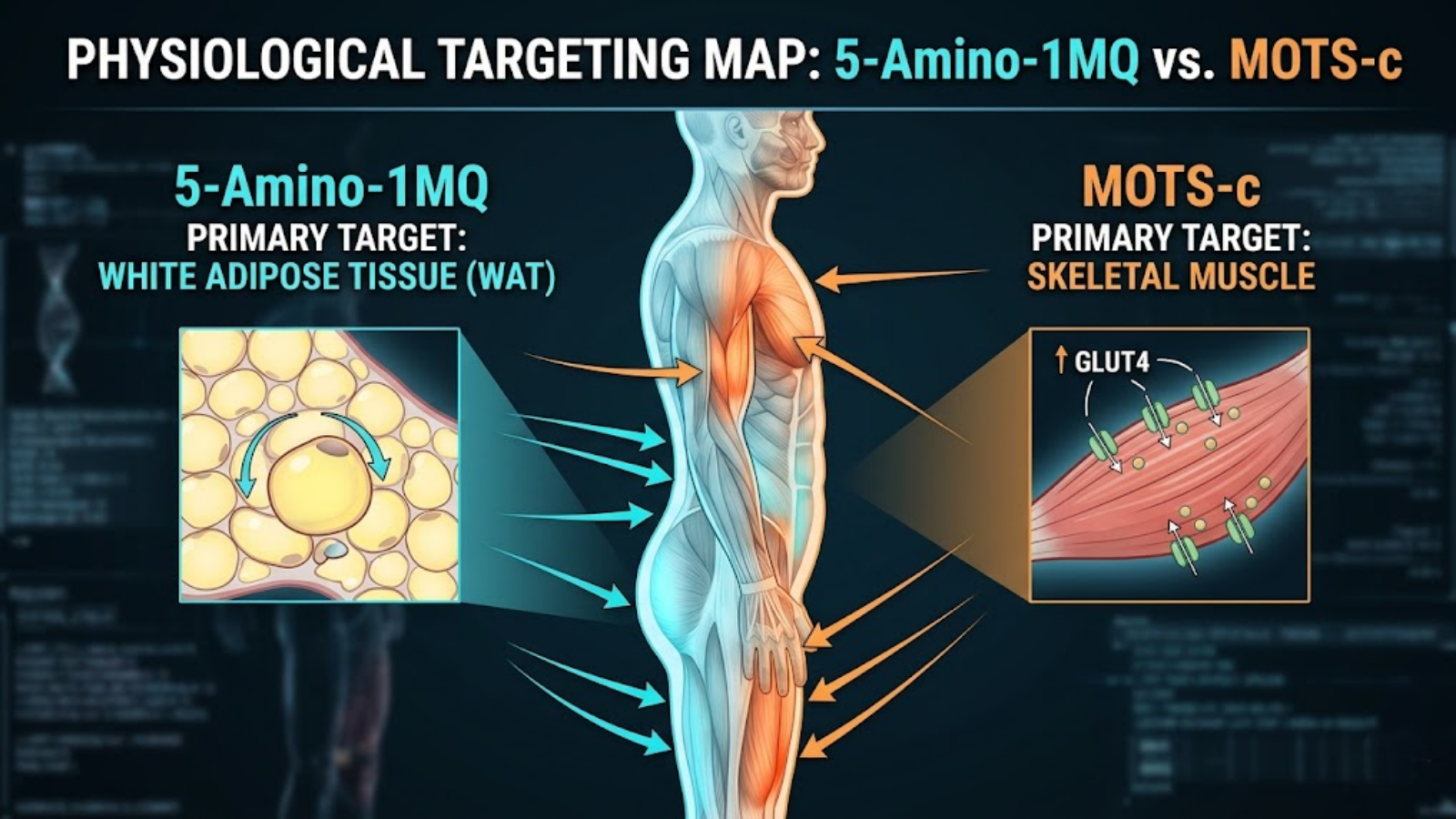
Figure 3: Physiological mapping of target tissues (Adipose vs. Muscle).
7. Advanced Biohacking Outcomes (B2C Focus)
For fat loss, 5-Amino-1MQ is a “passive” structural fix, shrinking fat cells by normalizing methylation. MOTS-c is an “active” agent, used primarily as an endurance amplifier and glucose disposal agent. Biohackers often use MOTS-c to achieve acute increases in VO2 max and lactic acid buffering during training.
Combine with BPC-157/TB-5008. Administration & Protocols
5-Amino-1MQ Protocols
Dosage typically ranges from 50mg to 150mg per day, divided into two or three doses. It is typically cycled for 4-8 weeks to avoid long-term disruption of hepatic methylation pathways.
MOTS-c Guidelines
MOTS-c requires subcutaneous injection. Standard research doses are 5mg to 10mg per week, often split into two doses administered 30-45 minutes before intense physical training.
9. Synergistic Stacking Strategies
Stacking 5 amino 1mq vs mots c provides a “push-pull” dynamic. 5-Amino-1MQ liberates stored energy from fat cells (the push), while MOTS-c drives that energy into the muscle to be burned (the pull). Researchers often combine a daily oral dose of 5-Amino-1MQ with bi-weekly MOTS-c injections.
10. Safety Profiles & Side Effects
5-Amino-1MQ can cause sleep disruption if taken late at night and carries theoretical risks regarding global methylation if used without cycles. MOTS-c carries a hypoglycemia risk if administered while fasted and may cause injection site reactions. Both remain experimental compounds.
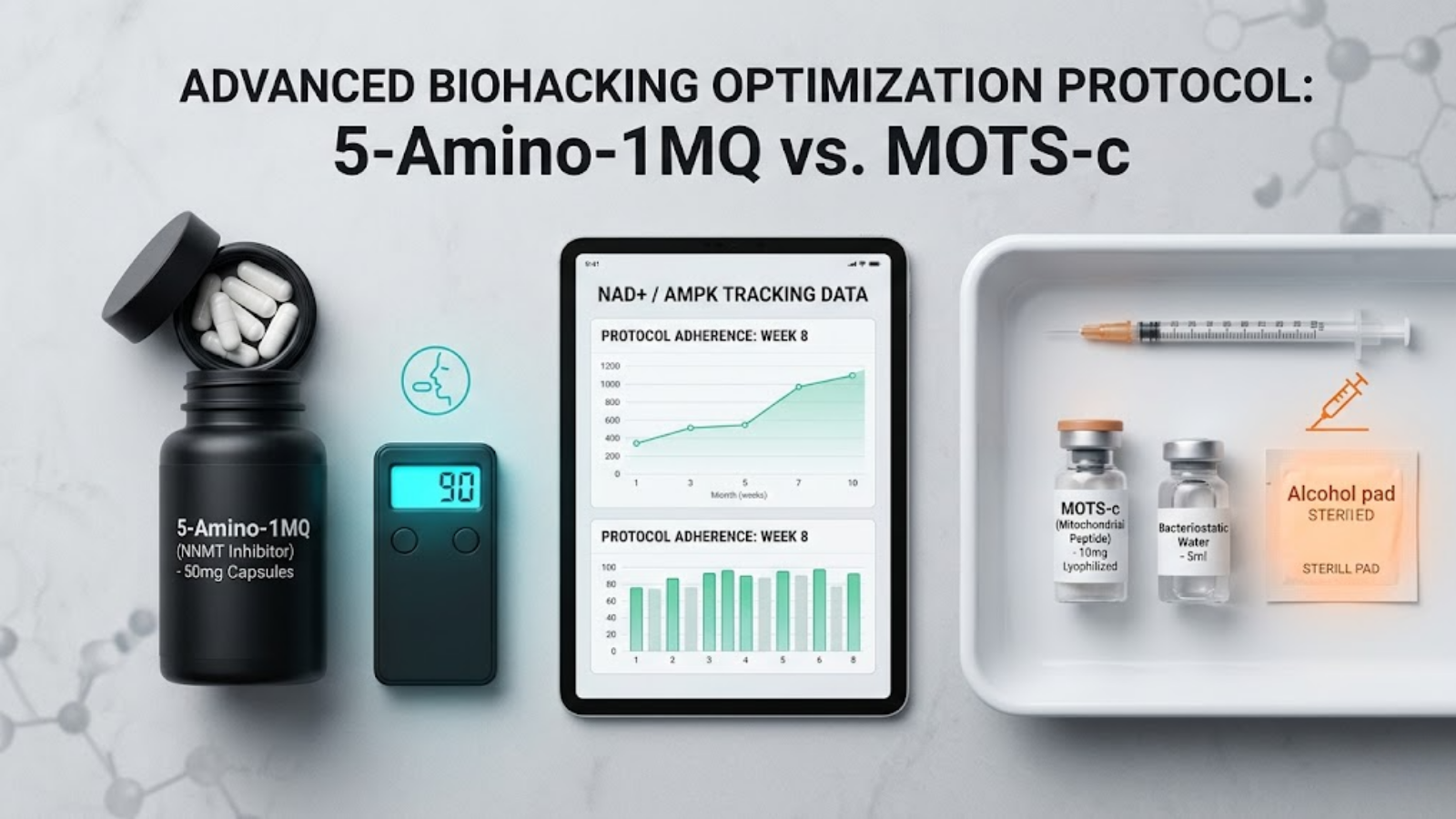
Figure 4: Professional setup for oral and injectable metabolic protocols.
11. Sourcing and Purity
High-Performance Liquid Chromatography (HPLC) is non-negotiable for verifying 98%+ purity. Avoid any vendor selling “oral MOTS-c,” as the peptide is entirely degraded by digestion. Ensure 5-Amino-1MQ is batch-tested for heavy metal residues from the synthesis process.
View Tirzepatide Research Grade12. Frequently Asked Questions
Which is better for weight loss?
5-Amino-1MQ is generally superior for visceral fat reduction by directly shrinking white adipose cells. MOTS-c is more effective for metabolic flexibility and exercise performance.
Can they be used together?
Yes, they target different pathways (NNMT vs. AMPK) and are often used together in advanced metabolic research protocols for synergistic results.
13. Key Takeaways
- 5-Amino-1MQ: Oral, targets Fat (WAT), inhibits NNMT, boosts NAD+.
- MOTS-c: Injectable, targets Muscle, activates AMPK, mimics exercise.
- Stacking: Provides synergistic fat oxidation and glucose disposal.
- Research: Both compounds significantly improve metabolic markers in clinical models.