
5-Amino-1MQ Oral vs. Injection: NNMT Inhibition, Absorption Rates, and Research Protocols

Disclaimer: The following article is for informational and educational purposes only. 5-Amino-1MQ is strictly an investigational compound intended for Laboratory Research Use Only. It is not approved by the FDA for human consumption, diagnosis, treatment, or prevention of any disease. Always consult with a licensed physician or principal investigator before utilizing experimental protocols.
Table of Contents
- Quick Answer: 5-Amino-1MQ Oral vs. Injection
- Introduction: The Rise of NNMT Inhibitors
- Understanding 5-Amino-1MQ: Mechanism of Action
- The Bioavailability Debate: Oral vs. Injection
- Oral Administration: Clinical Data & Kinetics
- Subcutaneous Injection: Exploring Alternative Delivery
- Laboratory and B2B Applications
- Advanced Biohacking Protocols
- Expected Results & Timeline
- Safety Profile & Contraindications
- Frequently Asked Questions
- Key Takeaways
Quick Answer: 5-Amino-1MQ Oral vs. Injection
5-Amino-1MQ is a small-molecule NNMT inhibitor designed to boost NAD+ and optimize cellular metabolism. When evaluating 5-amino-1mq oral vs injection, oral administration is the definitive choice. Unlike fragile peptides, its low molecular weight and high membrane permeability allow it to survive gastrointestinal fluids, making subcutaneous injections completely unnecessary for achieving systemic circulation.
Introduction: The Rise of NNMT Inhibitors in Metabolic Optimization
The Metabolic Bottleneck
In the landscape of human physiology, few biological processes are as highly conserved—and as prone to dysfunction over time—as our cellular metabolic pathways. As we age, our basal metabolic rate (BMR) naturally declines, mitochondrial biogenesis stalls, and visceral fat accumulation accelerates. For decades, both clinical researchers and advanced biohackers have sought compounds that can effectively “uncouple” this aging process from metabolic decline.
The traditional bottleneck has always been intracellular energy availability. When mitochondria, the powerhouses of the cell, are starved of their primary coenzymes, they cannot efficiently undergo beta-oxidation (the breakdown of fatty acids). This results in a frustrating physiological state where adipocyte hypertrophy (the enlargement of fat cells) continues despite rigorous caloric restriction and exercise. This phenomenon is largely governed by a specific enzymatic pathway that goes into overdrive as we age, trapping the body in a state of energy conservation and fat storage.
Beyond GLP-1s
Currently, the mainstream medical spotlight is intensely focused on incretin mimetics, such as GLP-1 and GIP receptor agonists (e.g., Semaglutide, Tirzepatide). While these peptide hormones are incredibly effective for treating obesity and metabolic syndrome, their primary mechanism of action relies on appetite suppression via delayed gastric emptying and neurological satiety signaling. They do not inherently fix the underlying mitochondrial machinery; they simply force a severe caloric deficit.
5-Amino-1MQ represents a radical departure from this paradigm. It does not mimic a gut hormone to trick your brain into eating less. Instead, it is an intracellular metabolic corrector. By acting as a targeted enzyme inhibitor, 5-Amino-1MQ works locally within white adipose tissue (WAT) to reignite cellular energy production, physically shrinking fat cells without necessarily altering caloric intake. This is where the profound interest in 5-Amino-1MQ originates: it is a true lipolytic agent acting at the level of epigenetic and enzymatic modulation, rather than systemic appetite suppression.
Understanding 5-Amino-1MQ: The Core Mechanism of Action
To truly grasp why this compound is revolutionizing metabolic research, we must unpack the specific biochemical machinery it targets. 5-Amino-1MQ (5-amino-1-methylquinolinium) does not directly burn fat; rather, it removes a critical roadblock that prevents your body from doing it natively.
What is the NNMT Enzyme?
The primary target of 5-Amino-1MQ is an enzyme called Nicotinamide N-methyltransferase, or NNMT. In a healthy, youthful physiological state, NNMT is present in relatively low, manageable amounts, primarily localized in the liver. However, as we age, and particularly as we accumulate white adipose tissue, the expression of NNMT skyrockets.
NNMT operates by catalyzing the transfer of a methyl group from the universal methyl donor, S-adenosyl-L-methionine (SAM), to nicotinamide (NAM), producing 1-methylnicotinamide (MNA).
Why is this a problem? When NNMT expression is excessively high, it creates two distinct pathological cascades:
- A “Methyl Sink”: By constantly pulling methyl groups from SAM, NNMT drains the cellular pool of available methyl donors. These methyl donors are absolutely vital for critical epigenetic processes, including DNA methylation and the regulation of gene expression.
- The NAD+ Drain: By converting nicotinamide (NAM) into MNA, NNMT actively depletes the cellular supply of the primary building block needed to synthesize NAD+ (Nicotinamide Adenine Dinucleotide).
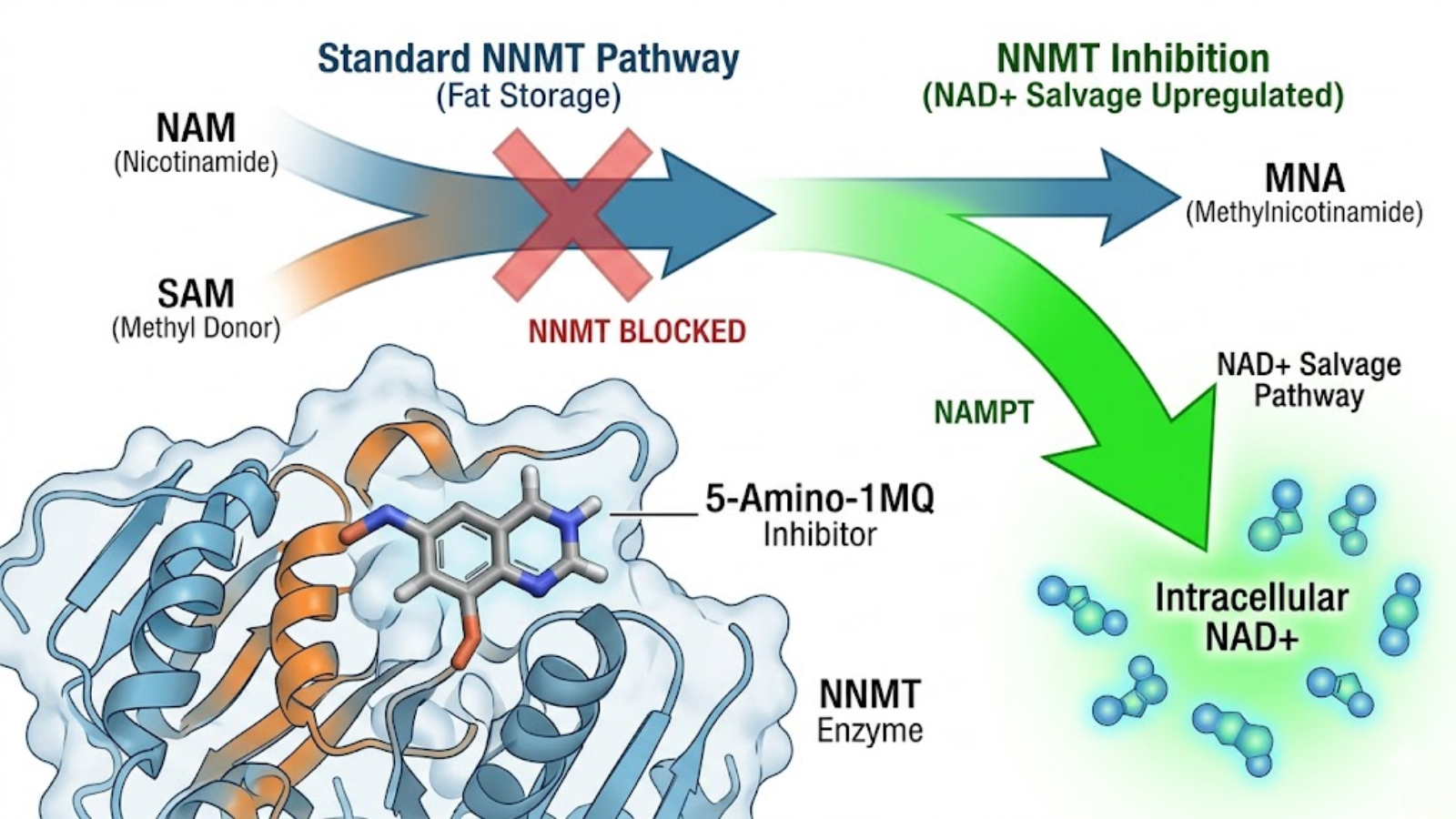
Image 1: Visualizing the NNMT Blockade. 5-Amino-1MQ selectively inhibits the NNMT pathway, upregulating the NAD+ salvage pathway and restoring intracellular NAD+ levels.
The NAD+ Salvage Pathway Connection
NAD+ is arguably the most crucial molecule for mitochondrial health. It is the core currency required for cellular respiration and the activation of Sirtuins (SIRT1-7), the “longevity proteins” responsible for DNA repair, insulin sensitivity, and fat oxidation.
Mammalian cells rely heavily on the NAD+ Salvage Pathway to recycle nicotinamide back into NAD+ via the rate-limiting enzyme NAMPT. When NNMT is overactive, it acts like a massive leak in this plumbing system. It intercepts the nicotinamide before it can be salvaged, permanently removing it from the NAD+ cycle.
By acting as a highly selective, membrane-permeable inhibitor of NNMT, 5-Amino-1MQ essentially plugs this leak. It structurally binds to the NNMT enzyme, preventing it from consuming nicotinamide. This creates a powerful downstream effect: intracellular nicotinamide levels rise, feeding the salvage pathway, which results in a massive surge of intracellular NAD+. This restoration of NAD+ reactivates mitochondrial beta-oxidation and drives the systemic clearance of stored lipids.
The Bioavailability Debate: 5-amino-1mq oral vs injection
When a new, highly effective compound enters the research space, the immediate question among laboratory investigators and advanced biohackers is how to deliver it optimally. Because the biohacking community is heavily accustomed to utilizing therapeutic peptides (which almost universally require subcutaneous or intramuscular injection), a pervasive misconception has arisen regarding 5-Amino-1MQ. The debate surrounding 5-amino-1mq oral vs injection protocols requires a strict biochemical breakdown to dispel the confusion.
Membrane Permeability and Small Molecule Dynamics
The core of the misunderstanding stems from categorizing 5-Amino-1MQ alongside peptides. Peptides, such as BPC-157, TB-500, or Semaglutide, are chains of amino acids linked by fragile peptide bonds. When introduced to the harsh, acidic environment of the stomach and the highly proteolytic enzymes of the gastrointestinal tract, these peptide chains are rapidly cleaved and destroyed, rendering them completely inactive. This is why they must be injected subcutaneously to bypass the digestive system.
5-Amino-1MQ is not a peptide. It is a highly stable small molecule—specifically, a methylquinolinium derivative.
In pharmacology, we look at “Lipinski’s Rule of Five” to evaluate drug-likeness and predict whether a chemical compound will have a pharmacokinetic profile suitable for oral activity in humans. 5-Amino-1MQ meets these parameters beautifully. It has a low molecular weight (under 500 Daltons), optimal lipophilicity, and a structural configuration that resists enzymatic degradation. Because of its specific size and charge, it easily diffuses across the lipid bilayers of cellular membranes, allowing it to migrate from the gut lumen into the bloodstream with extraordinary efficiency.
Gastrointestinal Survivability
To illustrate why the subcutaneous route is redundant for this specific compound, let us compare the physicochemical properties of 5-Amino-1MQ against a standard therapeutic peptide.
| Parameter | Traditional Peptides (e.g., GHRPs, BPC-157) | 5-Amino-1MQ (Small Molecule) |
|---|---|---|
| Molecular Structure | Long chains of amino acids (fragile) | Methylquinolinium derivative (highly stable) |
| Gastric Stability (pH 1.5 – 3.5) | Rapidly degraded by pepsin and stomach acid | Highly resistant to acidic degradation |
| Intestinal Permeability | Poor (molecules are too large) | Excellent (freely passes through cell membranes) |
| Optimal Delivery Route | Subcutaneous / Intramuscular Injection | Oral Administration (Capsule/Liquid) |
| Systemic Bioavailability via Gut | < 5% (Unless heavily modified/gastric stable) | Highly efficient (> 80% theoretical absorption) |
Injecting a stable, gut-survivable small molecule like 5-Amino-1MQ introduces unnecessary variables—such as injection-site reactions, risk of infection, and the requirement for bacteriostatic water reconstitution—without yielding any scientifically documented increase in enzymatic inhibition.
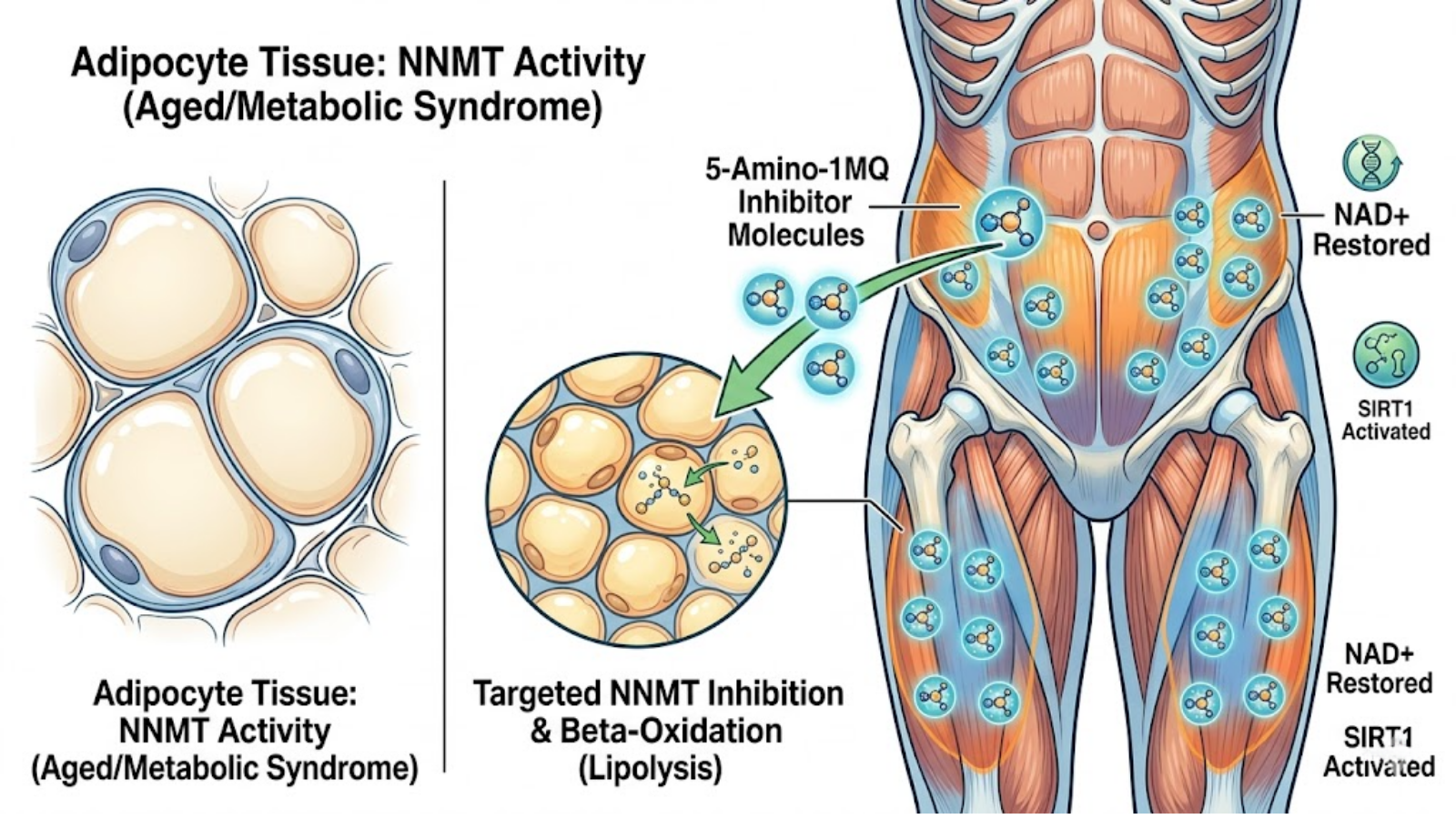
Image 2: Physiological Targeting Map. Oral 5-Amino-1MQ systematically targets white adipose tissue depots, restoring NAD+ and activating SIRT1 for lipolysis.
Oral Administration: Clinical Data, Absorption Kinetics, and Efficacy
Understanding why oral administration works is one thing; analyzing exactly how the body processes it provides the foundation for designing effective research protocols. The pharmacokinetics (PK) of oral 5-Amino-1MQ demonstrate a favorable profile for sustained metabolic optimization.
First-Pass Metabolism Considerations
When an oral capsule of 5-Amino-1MQ is ingested, it travels through the stomach and is rapidly absorbed into the highly vascularized mucosal lining of the small intestine. From there, it enters the hepatic portal vein and travels directly to the liver—a process known as first-pass metabolism.
For many drugs, first-pass metabolism is the kiss of death; hepatic enzymes (primarily the Cytochrome P450 system) metabolize and excrete the compound before it ever reaches systemic circulation. However, 5-Amino-1MQ is chemically resilient. While a fraction is metabolized by the liver, a highly robust percentage survives the hepatic extraction process.
Crucially, because NNMT is highly concentrated in both liver tissue and white adipose tissue, this hepatic processing is actually advantageous. The liver acts as the first major target organ, where 5-Amino-1MQ immediately begins inhibiting NNMT, halting the drain on methyl donors and kickstarting the systemic NAD+ salvage process.
Peak Plasma Concentrations (Cmax)
In clinical models (primarily extrapolated from extensive in vivo murine data), oral administration of 5-Amino-1MQ produces a rapid and predictable absorption curve. Establishing a steady-state plasma concentration is much more beneficial for chronic enzymatic inhibition than the rapid, harsh spike often associated with intravenous or subcutaneous bolus injections.
| Pharmacokinetic Metric | Expected Clinical Observation |
|---|---|
| Tmax (Time to Peak Concentration) | 1.5 to 3.0 hours post-ingestion |
| Half-life (t½) | Approximately 12 to 14 hours |
| Dosing Frequency for Steady State | Once to twice daily |
| Primary Excretion Route | Renal (via urine) |
By taking 5-Amino-1MQ orally, researchers and biohackers can maintain a stable, continuous suppression of the NNMT enzyme. This steady state is vital because adipocyte metabolism and cellular reprogramming take time. You are not artificially stimulating the central nervous system; you are epigenetically instructing the fat cells to shift their mitochondrial function. The gentle, sustained absorption kinetics provided by the gastrointestinal tract ensure that the cells are constantly bathed in the inhibitor, maximizing the synthesis of NAD+ throughout a standard 24-hour physiological cycle.
Subcutaneous Injection: Exploring the Alternative Delivery Route
Despite the overwhelming biochemical evidence supporting the efficacy of gastrointestinal absorption, the debate surrounding 5-amino-1mq oral vs injection protocols continues to echo through advanced biohacking forums and experimental research circles. To fully exhaust this topic, we must analyze the pharmacological realities of subcutaneous (SubQ) administration and understand why it is frequently, albeit mistakenly, prioritized by protocol designers.
Why Biohackers Consider SubQ for NNMT Inhibitors
The bias toward injectable vectors in the biohacking community is rooted in the “peptide paradigm.” Because molecules like BPC-157, CJC-1295, and Tirzepatide mandate subcutaneous injection to bypass proteolytic cleavage in the gut, a heuristic has developed: injection always equals superior bioavailability. When biohackers acquire 5-Amino-1MQ in lyophilized powder form (often intended for in vitro cellular assays), they naturally default to reconstituting it with bacteriostatic water for subcutaneous delivery. The assumption is that bypassing first-pass hepatic metabolism will result in a more potent, immediate systemic effect. However, applying peptide logic to a small-molecule enzyme inhibitor represents a fundamental misunderstanding of pharmacodynamics.
Comparing Pharmacokinetics: Oral vs. Subcutaneous
When 5-Amino-1MQ is injected subcutaneously, it forms a localized depot in the adipose tissue beneath the skin. From this depot, it rapidly diffuses into the capillary beds.
While this does bypass the liver initially, creating a faster time-to-peak concentration (Tmax), this rapid spike is actually counterproductive to the goal of long-term enzymatic inhibition.
| Delivery Route | Cmax (Peak Plasma Concentration) | Tmax (Time to Peak) | Enzymatic Inhibition Profile | Systemic Side Effect Risk |
|---|---|---|---|---|
| Oral (Capsule) | Moderate, sustained | 1.5 – 3.0 hours | Continuous, steady-state inhibition | Low (Gradual cellular adaptation) |
| Subcutaneous | High, transient spike | < 30 minutes | Pulsatile, rapid clearance | Moderate (Injection site irritation, rapid fluctuation in methyl pools) |
For competitive enzyme inhibitors, efficacy is heavily dependent on maintaining a steady-state concentration in the bloodstream and target tissues that exceeds the inhibitor constant (Ki). An aggressive spike in plasma concentration, followed by rapid renal clearance—which is characteristic of aqueous subcutaneous injections—creates a pulsatile environment. The enzyme is fiercely inhibited for a short window, and then, as the drug is rapidly cleared, NNMT activity rebounds.
Conversely, the digestive tract acts as a natural time-release mechanism. The gradual gastric emptying and hepatic processing provide a sustained release of the molecule into systemic circulation, bathing the adipocytes in the inhibitor around the clock. Therefore, for inhibiting NNMT to achieve metabolic recomposition, oral delivery is not just more convenient; it is pharmacokinetically superior.
Laboratory and B2B Applications: Researching 5-Amino-1MQ
For laboratory suppliers, B2B wholesale distributors, and principal investigators designing in vivo or in vitro models, handling and synthesizing 5-Amino-1MQ requires strict adherence to biochemical standards.
Synthesis, Purity, and Chemical Stability
5-Amino-1-methylquinolinium is typically synthesized and stabilized as a chloride salt (5-amino-1-methylquinolinium chloride). This salt form is what imparts its high degree of water solubility and stability, crucial for both oral encapsulation and laboratory assays.
When procuring wholesale 5-Amino-1MQ for research, High-Performance Liquid Chromatography (HPLC) and Mass Spectrometry (MS) testing are non-negotiable. Because the synthesis process involves methylation, impurities such as unreacted quinolinium precursors or residual solvents can remain if the purification process is rushed.
- Target Purity: ≥ 98.0% via HPLC.
- Appearance: Pale yellow to off-white crystalline powder.
- Storage Conditions: For long-term stability, bulk powder should be stored with desiccants at -20°C (ultracold freezer) to prevent degradation via ambient moisture. For short-term encapsulation or assay preparation, room temperature is acceptable if shielded from direct UV light.
- Molecular Weight: ~194.6 g/mol (as the chloride salt).

Image 3: Investigating 5-Amino-1MQ in the Lab. A researcher working with 5-Amino-1MQ Chloride, mapping oral absorption kinetics and linear regression of NNMT inhibition.
Murine Model Protocols (In Vivo)
The foundational data validating 5-Amino-1MQ’s efficacy comes from murine (mouse) models, specifically diet-induced obesity (DIO) protocols. It is highly instructive to note how these researchers administered the compound.
In the landmark studies demonstrating that 5-Amino-1MQ could reverse diet-induced obesity, the compound was not injected. It was administered orally—often mixed directly into the rodents’ drinking water or formulated into their chow. These in vivo models showed that continuous oral ingestion led to:
- A ~30% reduction in white adipose tissue mass.
- Significant reductions in total body weight without any changes in food intake (caloric consumption remained identical to the control group).
- Decreased adipocyte hypertrophy (the fat cells physically shrank in volume).
- Increased basal energy expenditure.
This laboratory data unequivocally validates the oral route. If the digestive tracts of DIO mice successfully assimilate the compound to yield such profound systemic lipolysis, human clinical application via oral encapsulation is heavily supported.
Advanced Biohacking Protocols: Dosing and Practical Application
For those stepping out of the laboratory and into self-quantification, establishing a rigorous, data-driven protocol is paramount. Because 5-Amino-1MQ is a metabolic modulator rather than a central nervous system stimulant, dosing protocols must be designed for long-term cellular adaptation.
Standard Oral Dosing Guidelines
Current experimental data and anecdotal consensus within the advanced biohacking community point to a highly specific therapeutic window.
- Standard Dosage: 50mg to 150mg per day.
- Frequency: Typically taken once daily in the morning, or divided into two doses (e.g., 50mg AM and 50mg PM) to maximize the steady-state plasma concentration.
- Timing: While it can be taken on an empty stomach due to its high membrane permeability, some users prefer taking it alongside a meal containing dietary fats to mitigate mild transient nausea, though a liposomal carrier is strictly unnecessary.
- Cycle Length: 8 to 12 weeks. Cellular metabolism requires time to shift. Upregulating the NAD+ salvage pathway and altering the epigenetic expression within white adipose tissue is a gradual process. Cycles shorter than 4 weeks rarely yield significant body recomposition changes.
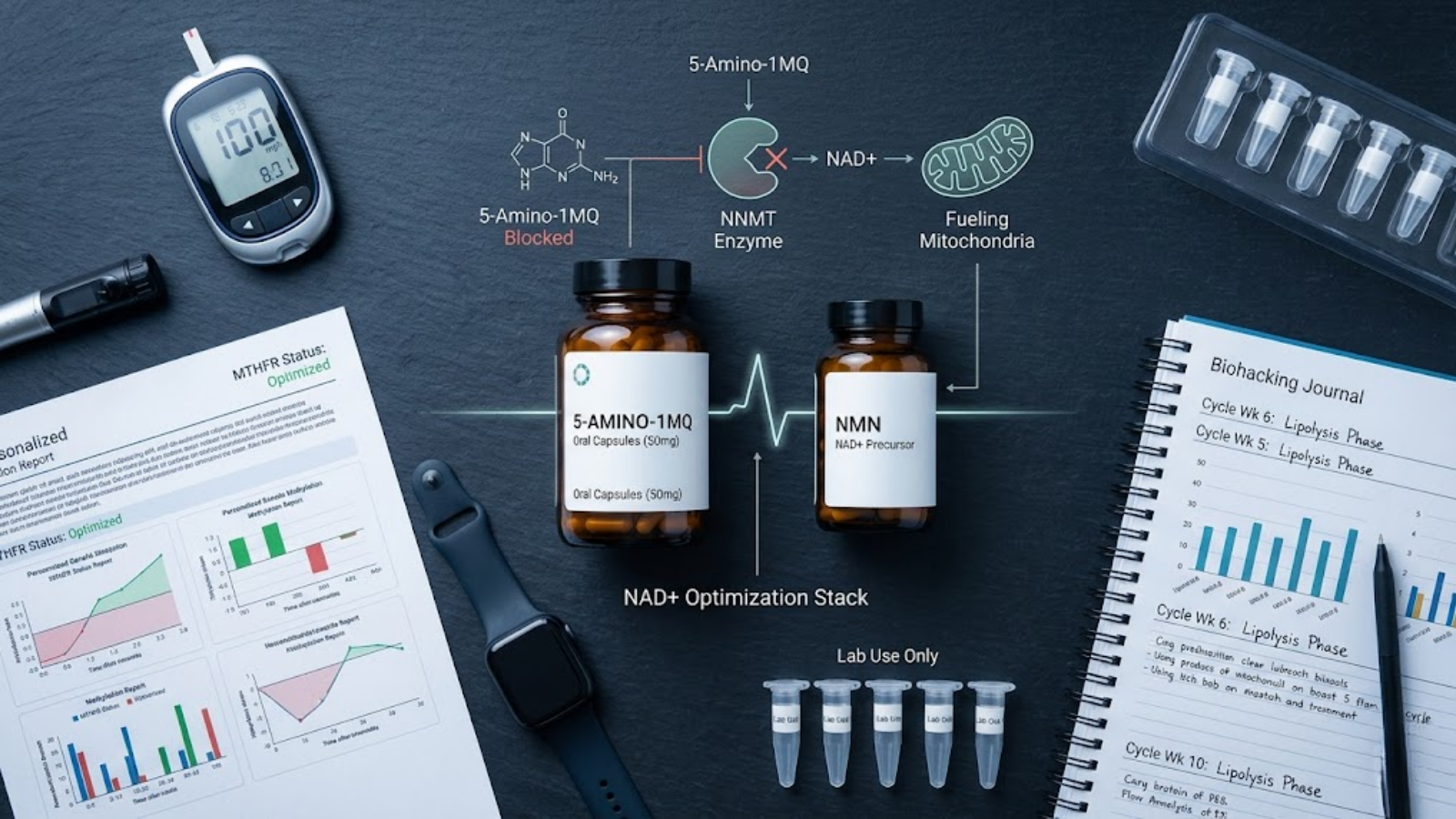
Image 4: The NAD+ Optimization Stack. Combining oral 5-Amino-1MQ capsules with NAD+ precursors (like NMN) provides an aggressive, synergistic approach to metabolic correction.
Synergistic Stacking Strategies
To maximize the biochemical cascade initiated by NNMT inhibition, researchers often combine 5-Amino-1MQ with other metabolic modulators.
1. The NAD+ Optimization Stack (NMN / NR)
This is the most logical biochemical pairing. 5-Amino-1MQ prevents the degradation of NAD+ precursors by blocking NNMT. By simultaneously supplementing with Nicotinamide Mononucleotide (NMN) or Nicotinamide Riboside (NR), you are effectively “flooding the engine” with fuel (NMN) while simultaneously “plugging the leak” (5-Amino-1MQ). This yields exponential increases in intracellular NAD+ levels compared to either compound in isolation.
2. The Lipolytic Recomposition Stack (GLP-1s / MOTS-c)
For aggressive fat oxidation, 5-Amino-1MQ is frequently researched alongside GLP-1 agonists (like Tirzepatide) or mitochondrial uncoupling peptides (like MOTS-c). While the GLP-1 enforces a caloric deficit via satiety, 5-Amino-1MQ ensures that the weight lost is primarily derived from stubborn white adipose tissue by keeping the basal metabolic rate elevated, preventing the metabolic slowdown typically associated with intense dieting.
Expected Results and Timeline for Metabolic Adaptation
Managing expectations is critical when researching intracellular enzyme inhibitors. 5-Amino-1MQ does not cause the immediate thermogenesis, jitteriness, or heart rate elevation associated with sympathomimetic fat burners like Clenbuterol or high-dose caffeine.
Fat Oxidation and Body Recomposition
Because 5-Amino-1MQ works by increasing systemic NAD+ and activating the SIRT1 pathway, the physical changes are gradual and cumulative.
- Weeks 1-2: Minimal visual changes in body composition. Primary markers of efficacy are often subjective increases in sustained diurnal energy levels and a reduction in post-prandial somnolence (the “food coma” effect).
- Weeks 3-4: The beginning of lipolysis in visceral and subcutaneous white adipose tissue. Researchers often note a “tightening” effect and a reduction in systemic water retention.
- Weeks 5-8: Pronounced reductions in body fat percentage, specifically in stubborn areas resistant to traditional diet and exercise. This occurs because the metabolic machinery within the fat cells is now natively burning stored lipids for energy (increased beta-oxidation).
Cellular Energy and Aging Metrics
Beyond aesthetics, the restoration of the NAD+ salvage pathway yields profound longevity benefits. Enhanced SIRT1 activation leads to improved mitochondrial biogenesis. Users frequently report drastically reduced recovery times between intense training sessions, improved cognitive clarity (due to enhanced neuronal energy production), and a reversal of age-related metabolic sluggishness.
Safety Profile, Side Effects, and Contraindications
While 5-Amino-1MQ exhibits a remarkably high safety profile in murine models, human applications are still highly experimental. Understanding potential adverse reactions is a fundamental aspect of responsible research.
Known Mild Side Effects
Because it is not a stimulant, it avoids the cardiovascular stress of traditional fat loss agents. However, altering enzymatic pathways can cause transient shifts in homeostasis.
- Mild Nausea: Occurs occasionally when taken on an empty stomach during the first week of administration.
- Changes in Thirst/Water Retention: As metabolism shifts and cellular respiration increases, intracellular water demands can change, leading to mild dry mouth.
- Insomnia (Rare): If dosed too late in the evening, the surge in intracellular ATP and cellular energy can make falling asleep difficult for sensitive individuals.
Contraindications and Long-Term Safety
- Methyl Donor Dynamics: Because NNMT is a methyltransferase, inhibiting it alters the cellular balance of S-adenosylmethionine (SAMe). While usually beneficial, individuals with specific MTHFR gene mutations or pre-existing methylation pathway disorders should proceed with extreme caution.
- Active Oncology: NNMT expression is highly complex and occasionally upregulated in certain types of cancer cells as a survival mechanism. Anyone with a history of active tumors or undergoing oncological therapies must avoid NNMT inhibitors, as manipulating these pathways without intense medical oversight is dangerous.
- Pregnancy and Lactation: Strictly contraindicated.
Frequently Asked Questions
Is oral 5-Amino-1MQ as effective as injections for fat loss?
Yes, oral 5-Amino-1MQ is highly effective and is the clinically preferred route over injections. Because it is a stable, small molecule rather than a fragile peptide, it easily survives the digestive tract and absorbs efficiently into the bloodstream, making subcutaneous injections completely unnecessary for optimal fat loss.
How does 5-Amino-1MQ block NNMT to increase cellular NAD+ levels?
5-Amino-1MQ structurally binds to the NNMT enzyme, preventing it from consuming nicotinamide. By stopping this consumption, it allows your body to recycle that nicotinamide through the “salvage pathway,” naturally producing massive amounts of NAD+ for cellular energy and fat oxidation.
How long does it take for 5-Amino-1MQ to start working?
While intracellular NAD+ levels begin rising within days, physical body recomposition and noticeable fat loss typically take 3 to 4 weeks of continuous daily use. It requires time for the fat cells to shift their genetic expression and increase mitochondrial beta-oxidation.
Do I need to cycle 5-Amino-1MQ, or can I take it year-round?
Most research protocols suggest cycling 5-Amino-1MQ for 8 to 12 weeks, followed by a 4-week off-cycle. This prevents potential desensitization of the enzymatic pathways and allows cellular methylation cycles to return to baseline homeostasis.
Can 5-Amino-1MQ cause muscle loss while burning fat?
No, 5-Amino-1MQ is highly selective for white adipose tissue and actually helps preserve muscle mass. By elevating NAD+ and SIRT1, it mimics the effects of exercise at a cellular level, promoting lean muscle retention even in a caloric deficit.
Does 5-Amino-1MQ break a fast?
No, taking a raw 5-Amino-1MQ capsule does not break a fast, as it contains zero calories and does not trigger an insulin response. In fact, taking it during a fasted state can theoretically amplify cellular autophagy and fat oxidation.
Key Takeaways
- Mechanism over Magic: 5-Amino-1MQ is not a stimulant or an appetite suppressant; it is a small molecule that inhibits the NNMT enzyme, reversing age-related metabolic decline at the cellular level.
- The Route Matters: The debate over 5-amino-1mq oral vs injection is settled by pharmacokinetics. Oral administration is highly bioavailable, scientifically validated, and provides the steady-state absorption required for optimal enzymatic inhibition.
- NAD+ Restoration: By plugging the “methyl sink” caused by overactive NNMT, 5-Amino-1MQ allows the body to natively synthesize massive amounts of NAD+, fueling mitochondrial fat burning and longevity pathways.
- Patience is a Protocol: This is a compound for long-term body recomposition. It requires consistent daily dosing over an 8 to 12-week cycle to yield significant, lasting reductions in stubborn white adipose tissue.
- Synergy: For maximum efficacy, researchers frequently stack oral 5-Amino-1MQ with NAD+ precursors (NMN or NR) to simultaneously fuel the salvage pathway while preventing the degradation of vital cellular energy molecules.